India Prioritizes Peacekeeping in UNSC 2028-29 Candidature Bid
Synopsis
India has declared strengthening peacekeeping a top priority for its 2028-29 UNSC bid. Emphasizing its history as the largest troop contributor, India calls for better resources, accountability for attacks, and a structured voice for contributors.
India's UNSC Candidature Focus
India has stated that enhancing peacekeeping remains a key priority in its bid for election to the United Nations Security Council (UNSC), reaffirming its commitment to strengthening peacekeeping operations and ensuring the safety of peacekeepers.
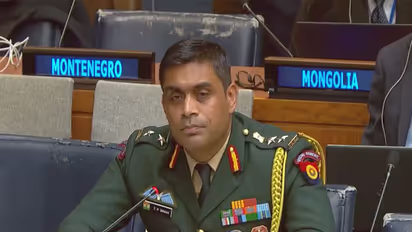
“It is because we regard peacekeeping as irreplaceable to this institution's core purpose that India has identified it as a priority for our candidature for the Security Council for the term 2028-29,” Colonel Tarunendra Pratap Singh, the military adviser at India's mission, said on Thursday. Elections for the Council seat covering that term are scheduled to take place next year.
“We reaffirm our unwavering commitment to UN peacekeeping and to a peacekeeping architecture that is better resourced, better protected, and more representative of the world it serves,” he added.
Historical Contributions and Leadership
Highlighting the nation's historical contributions, Singh noted, “India has deployed more than 300,000 troops across 50 missions, which makes us the largest troop contributor to date.”
Addressing the annual debate on the comprehensive review of peacekeeping operations held at the General Assembly's Fourth Committee, which handles special political and decolonisation matters, Singh recalled India's leadership during its previous presidency in safeguarding peacekeepers and bringing those responsible for attacks against them to justice.
During its presidency of the Council in August 2021, Singh highlighted that India spearheaded a Council resolution calling for accountability for crimes against peacekeepers, adding that New Delhi would continue its leadership on the issue.
Addressing Operational Challenges
Describing targeted attacks on peacekeepers as a “major challenge” to UN operations, the resolution urged all nations hosting peacekeeping missions “to promote accountability for the killing of, and all acts of violence against United Nations personnel serving in peacekeeping operations”.
Observing the modern operational environment, Singh stressed that United Nations blue helmets “today face asymmetric and technologically enabled threats, and those who attack peacekeepers must be held accountable”.
Emphasising the importance of their safety, he stated, “India upholds the safety and security of peacekeepers as one of the most important aspects of peacekeeping,” while noting that 184 Indian personnel had made the ultimate sacrifice in service of UN missions.
Improving Consultation and Resources
Furthermore, Singh advocated that troop- and police-contributing countries should have a structured voice in shaping the mandates established by the Council. He underscored the need for an institutional mechanism for consultations with troop- and police-contributing countries before the adoption or review of any mandate.
Singh noted that missions achieve greater success when supported by a “broader political process with a clearly envisioned political outcome and commensurate resources for peacekeepers”, adding, “We should ensure capability enhancement and commensurate resources at the point of authorisation.”
(Except for the headline, this story has not been edited by Asianet Newsable English staff and is published from a syndicated feed.)