Skibidi, Tradwife, Delulu: 6,000+ Gen Z and Gen Alpha Words Added to Cambridge Dictionary — No Cap!
Synopsis
Cambridge Dictionary has added over 6,200 new words this year, including trending words such as skibidi, tradwife, delulu, broligarchy, and mouse jiggler. These words reflect how internet and social media culture are shaping modern English.
Cambridge Dictionary just went full Gen Z and Gen Alpha, and honestly, it's giving delulu to think we'd ever keep up. From 'skibidi' chaos to 'tradwife' vibes, the dictionary has entered the group chat and we are not kidding, no cap! Over the past year, the Cambridge Dictionary added more than 6,200 new words, phrases, and meanings to its online edition. This major update highlights how the English language continues to change, especially under the influence of internet slang and social media trends. Language isn't just evolving, it's vibing, flexing, and maybe even slaying. If your parents ask, just tell them Cambridge said so. And yes, it’s official: the future of English is main-character energy with a side of memes.
What's new: skibidi, tradwife, delulu
Some of the most discussed entries include:
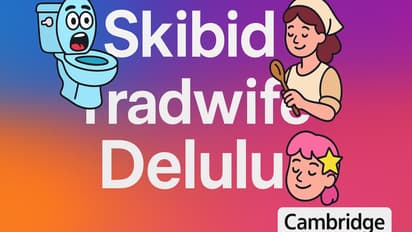
Skibidi: Originally from the viral Skibidi Toilet YouTube series, this word can mean “cool,” “bad,” or have no real meaning, it’s often used jokingly.
Tradwife: Short for “traditional wife,” it refers to women who share content showing cooking, cleaning, and child care on social media, highlighting traditional homemaking roles.
Delulu: A playful shortening of “delusional,” used humorously to describe believing something unrealistic or fan-fiction-like. It originated in K-pop fan communities and gained wider use via TikTok.
The update also includes several other terms rooted in digital and work culture:
Lewk: A twist on "look," meaning a standout or impressive fashion style
Inspo: Short for “inspiration,” commonly used for content that sparks ideas or creativity
Broligarchy: A blend of “bro” and “oligarchy,” referring to a powerful group of mostly male tech leaders who seek influence.
Mouse jiggler: A gadget or software that simulates mouse movement, often used to appear "active" during remote work.
Work spouse: A close, supportive, non-romantic relationship at work, similar to a marriage in emotional connection.
Additional terms like “snackable” (bite-sized content), “red flag/green flag” (warning or positive signs), and “forever chemical” (persistent pollutants) also reflect modern culture and news cycles.
According to Colin McIntosh, Lexical Programme Manager at Cambridge Dictionary, the dictionary only includes words when they believe these will “have staying power.” He notes how internet culture is actively shaping the English language, making it fascinating to follow and document.
However, not everyone is pleased! Critics argue that such 'nonsense' slang weakens the language. One user posted: 'Congratulations, English is no longer a language, it's a TikTok comment section'. But supporters say dictionaries should reflect how people actually speak, not prescribe strict rules.