Balochistan: Protest erupts in Turbat over Abdoi border closure
Synopsis
Residents in Balochistan's Turbat district protested the closure of the Abdoi border crossing, warning of economic collapse. They accused authorities of a state-imposed 'economic blockade' and creating severe hardship for border communities.
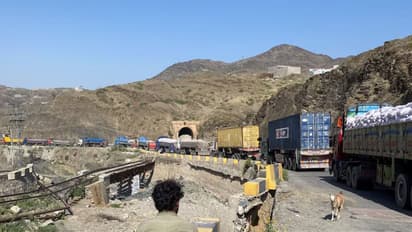
Residents dependent on cross-border trade in Balochistan's Turbat district staged a protest on Thursday against the prolonged closure of the Abdoi border crossing, warning that the government's restrictions have pushed local communities toward economic collapse, as reported by The Balochistan Post.
Protest Against 'Economic Blockade'
According to The Balochistan Post, the demonstration, led by Border Movement leader Sardar Wali Yalanzai, began at Ghulam Nabi Chowk and concluded at Shaheed Fida Chowk, where protesters raised slogans against what they described as a state-imposed "economic blockade."
Participants said the shutdown had cut off their only sustainable source of income in a region already suffering from chronic unemployment and neglect. Addressing the gathering, Yalanzai accused authorities of repeatedly misleading traders by claiming the crossing would reopen "today or tomorrow." He said these assurances had proven hollow, deepening frustration and uncertainty among families dependent on cross-border commerce for survival.
Allegations and Demands
Protesters also alleged that although some vehicles were allowed to pass through the Sorap-Mand route, none returned with fuel or essential supplies. They further claimed that Iranian cars, which previously supplied fuel and basic goods, were now being prevented from entering the area, intensifying shortages and economic hardship.
Demonstrators demanded the immediate restoration of the Abdoi crossing and called on the government to reverse what they described as punitive economic policies against border communities. They warned that continued closures would only deepen poverty and fuel unrest in Balochistan.
Wider Impact of Border Policies
The fact-finding study, titled "When Policy Divides," paints a grim picture of how Pakistan's post-2023 passport-visa regime and the fencing of the Durand Line have destroyed livelihoods, fractured families, and deepened resentment among border communities.
According to the report, an estimated 20,000 to 25,000 people who used to cross the Pakistan-Afghanistan border daily, labourers, traders, drivers, and divided families, have lost their only means of income since the "one-document policy" came into force. HRCP notes that what once served as a lifeline for local economies has now been strangled by bureaucratic rigidity and corruption. (ANI)