Bengaluru man compares Namma metro fare of Rs 180 to auto's Rs 210, sparks online debate
Synopsis
A viral social media post comparing Bengaluru metro and auto fares sparked debate on public transport costs. While the metro is cheaper, safer, and faster, auto fares remain high. Meanwhile, Namma Metro saw a 13% ridership drop after a fare hike, raising concerns about affordability.
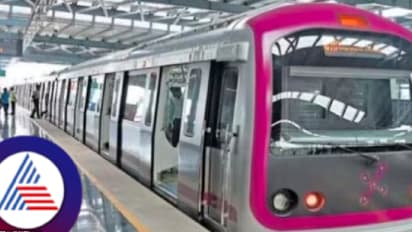
A social media post comparing metro and auto-rickshaw fares in Bengaluru has gone viral, triggering a debate on the affordability of public transport in the city. The post, shared on the platform X, highlights the cost difference between the two modes of travel for the same route.
According to the post, a journey from Malleshwara to Yelachenahalli for three people costs Rs 180 on the metro, while the same trip by auto-rickshaw amounts to Rs 210. This comparison has led to discussions among commuters about the practicality and affordability of different transport options in Bengaluru.
The user's account has been deleted.
The post received a flood of reactions, with users sharing their opinions on the fare structure. One user humorously remarked, "Metro will hike fares by Rs 30 after seeing this post to match auto fares." Another pointed out that while the metro is free from traffic congestion, its current pricing is slightly high but still reasonable.
Some users highlighted the benefits of metro travel, noting that it is air-conditioned, safer, and more punctual compared to auto-rickshaws. Others suggested that the Karnataka government should work with auto unions to promote electric autos, which could offer lower fares.
Metro ridership drops after fare hike
Meanwhile, Bengaluru’s Namma Metro has seen a sharp decline in ridership following a fare increase in February. Data from the Bangalore Metro Rail Corporation (BMRCL) shows that daily ridership dropped by 13% after the fare revision on February 9.
Before the hike, the metro recorded an average of 8.2 lakh passengers per day, but in the following weeks, this number fell to 7.1 lakh. The monthly ridership figures also reflected a steep drop—2.5 crore people used the metro in January, whereas in February, the number dipped to 2 crore, marking a 20% decline.
BMRCL stated that the average fare increase was 46%, but some passengers claimed that on certain routes, fares had doubled. The ongoing debate over public transport costs in Bengaluru underscores the challenges of balancing affordability and sustainability in urban mobility.
Stay updated with the Breaking News Today and Latest News from across India and around the world. Get real-time updates, in-depth analysis, and comprehensive coverage of India News, World News, Indian Defence News, Kerala News, and Karnataka News. From politics to current affairs, follow every major story as it unfolds. Download the Asianet News Official App from the Android Play Store and iPhone App Store for accurate and timely news updates anytime, anywhere.