Scientists Revive Ancient Yogurt Tradition Using Live Ants
Synopsis
Researchers revived a Balkan yogurt tradition using live ants, whose microbes and enzymes ferment milk. The study highlights microbial diversity, tangy flavors, and culinary creativity, bridging food science with cultural heritage.
In an unusual blend of science and culinary tradition, researchers have revived a nearly forgotten yogurt-making technique from the Balkans and Turkey—using ants. The practice harnesses the bacteria, acids, and enzymes present in ants to transform milk into a rich, tangy yogurt, highlighting the complexity and biodiversity often lost in modern industrial yogurts.
How the Ant Yogurt Is Made
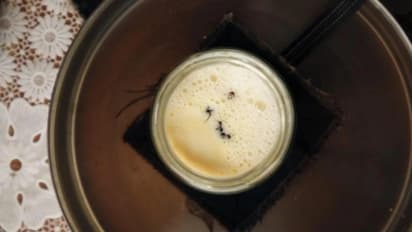
Following a traditional Bulgarian method, researchers placed four live forest ants (Formica species) into a warm jar of milk. The jar was then nestled into an ant mound to ferment overnight. By morning, the milk had thickened and developed a slightly tangy, herbaceous flavor reminiscent of grass-fed dairy.
"Today's yogurts are typically made with just two bacterial strains," says senior author Leonie Jahn from the Technical University of Denmark. "Traditional yogurt has a far richer microbial diversity, which varies by location, household, and season, giving it unique flavors and textures."
The Science Behind Ant Yogurt
The researchers discovered that the ants carry lactic and acetic acid bacteria. These acids help coagulate the milk, while the ants’ natural formic acid and enzymes work with microbes to break down proteins and facilitate fermentation. Notably, only live ants were effective in creating the desired microbial community. Frozen or dehydrated ants did not produce the same results, and safety precautions are essential as ants can harbor harmful bacteria or parasites.
Culinary Creativity Meets Tradition
To explore modern culinary applications, the team collaborated with chefs at Alchemist, a two-star Michelin restaurant in Copenhagen. They created yogurt-inspired dishes such as yogurt ice cream sandwiches shaped like ants, mascarpone-style cheeses with a pungent tang, and cocktails clarified using milk washes—all showcasing the unique properties of ant-fermented yogurt.
Preserving Biocultural Heritage
"These traditions have a deep meaning and purpose, even if they seem unusual or mythical," says Jahn. "They remind us of the importance of community knowledge and the value of listening to our elders."
Lead author Veronica Sinotte adds, "Reviving these recipes allows us to celebrate biocultural heritage and inspire new, creative approaches to food science."
This study was published in the journal iScience on October 3, 2025, highlighting the scientific relevance of traditional culinary practices and their potential applications in modern gastronomy.