Microplastics Found in Antarctica’s Only Native Insect Amid Climate Threats
Synopsis
Scientists have found microplastics inside Antarctica's only native insect, the Belgica antarctica. Discover what this means for the fragile polar ecosystem and global plastic pollution.
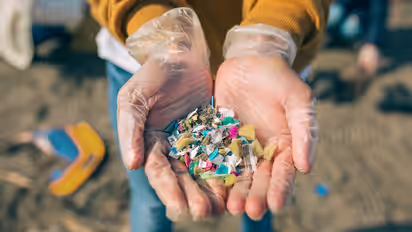
Researchers have found that Antarctica's only native insect, the small midge Belgica antarctica, is already eating microplastics, even though it lives in one of the most remote areas on Earth. This is the first time microplastics have been found inside wild Antarctic insects, showing just how widespread plastic pollution has become. The study was published in Science of The Total Environment.
About the Midge
Belgica antarctica is a type of nonbiting midge, about the size of a grain of rice, and it lives in wet moss and algae patches near the Antarctic Peninsula. Its larvae help recycle nutrients in the soil, which is essential for keeping the delicate ecosystem healthy. These midges are known for surviving extreme cold, drying, high salt levels, temperature changes, and strong UV radiation. They are very resilient, but researchers wanted to check if microplastics could pose a new kind of threat.
Plastic in Antarctica
Plastics can still reach Antarctica through ocean currents, wind, and human activities near research bases and ships. To see how microplastics affect the midges, scientists tested larvae in the lab with controlled amounts of microplastics. The larvae survived and their basic bodily functions remained normal, but those exposed to higher levels had less fat. Fat is important for storing energy, especially in the harsh polar environment, so this could weaken them over time.
Wild Larvae Testing
The team then studied larvae collected from 20 locations across 13 islands along the western Antarctic Peninsula. Using advanced imaging, they found microplastic fragments inside the gut of wild larvae. Although only two fragments were found in 40 samples, this is the first evidence that microplastics are entering Antarctic soil ecosystems.
Since Belgica antarctica has no natural land predators, the ingested plastics probably don’t move up the food chain. But because the larvae take two years to grow, even small levels of microplastics, combined with climate changes like warmer and drier conditions, could have long-term effects.
Global Pollution
This study shows how deeply plastic pollution has spread, even to the most isolated parts of the world. Future research will track microplastic levels in Antarctic soils and look at how they affect soil organisms over time. Studying this simple polar ecosystem may give insights useful for understanding ecosystems around the globe and stress the importance of addressing plastic pollution before its effects get worse.