Year Ahead 2026: Air Pollution, Aravalli Protection and Climate Action to Dominate India’s Environment Agenda

Synopsis
In 2026, India’s environment agenda will be driven by worsening air pollution, Aravalli protection, climate action, and biodiversity conservation, with experts urging long-term, integrated strategies instead of short-term crisis responses.
As India heads into 2026, key environmental issues such as the redefinition of the Aravalli range, deteriorating air quality, and intensifying climate change debates are expected to dominate policy discussions. Experts and activists are increasingly calling for long-term, integrated strategies to address these challenges, urging a shift away from reactive and episodic interventions.
Air Pollution Remains a National Crisis
Air quality emerged as a defining environmental concern in 2025. Urban centres, particularly Delhi-NCR, frequently recorded hazardous pollution levels driven by transport emissions, industrial activity, construction dust, and climate-related wildfires. The Commission for Air Quality Management (CAQM) strengthened emergency responses, introducing measures such as school closures during severe pollution phases and staggered office timings.
Public frustration peaked as citizens and environmentalists demanded judicial intervention and expert-led reforms to overhaul India’s air quality management framework. Specialists stressed the need for comprehensive strategies addressing industrial emissions, vehicular pollution, dust control, waste management, and wildfire mitigation. States were directed to treat pollution control as a year-long priority rather than a seasonal issue and to prepare corresponding action plans.

Redefining the Aravallis: Controversy and Conservation
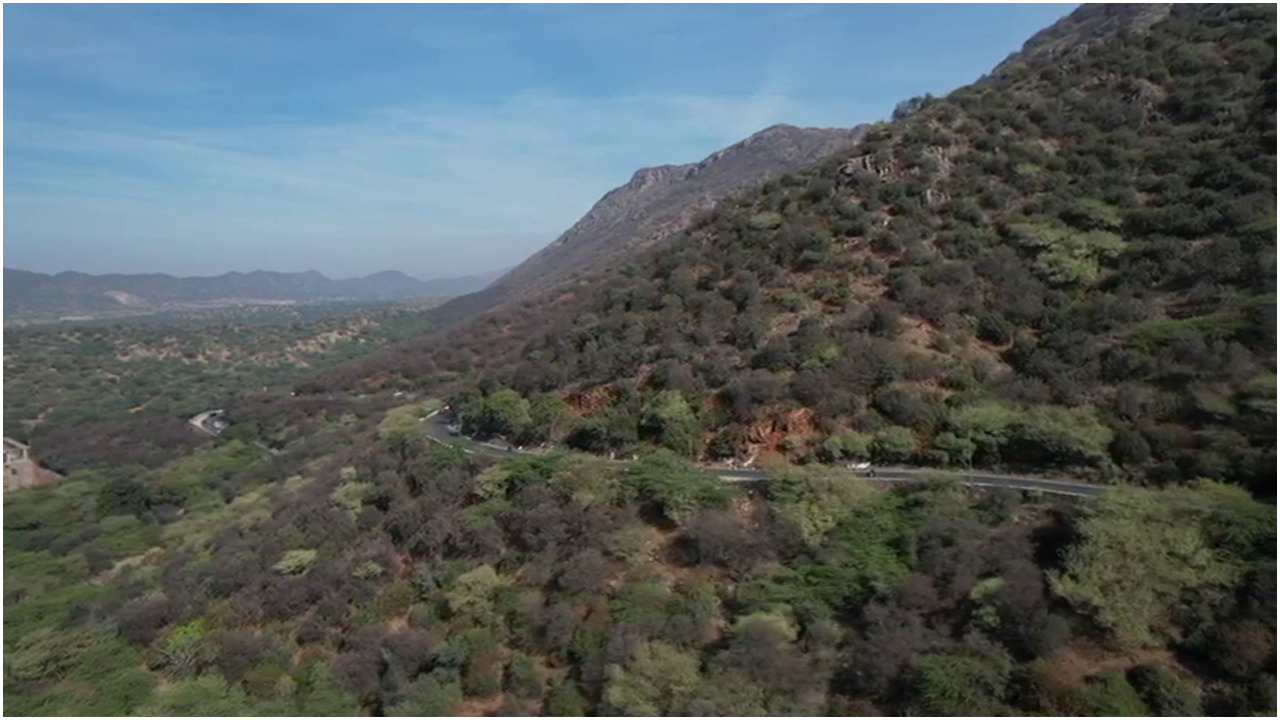
Environmental governance came under sharp scrutiny following contentious legal and policy decisions related to the Aravalli range. The Supreme Court’s redefinition of protected areas, which limited protection to elevations above 100 metres, drew criticism from conservationists. Experts warned that this could open fragile low-lying areas to mining and development, weaken natural barriers against dust storms, and worsen air quality in Delhi-NCR.
Following widespread opposition, the decision was temporarily put on hold. Subsequently, the Ministry of Environment directed states to impose a ban on new mining leases within the Aravalli range, aiming to protect the broader geological ridge and its ecosystem services while balancing regulatory flexibility with environmental protection.
International Climate Engagement and Forest Diplomacy
India strengthened its global environmental engagement in 2025 by joining the Brazil-led Tropical Forests Forever Facility as an observer at COP30. The move signalled the country’s intent to engage with multilateral mechanisms focused on securing long-term finance for tropical forest protection and restoration.
Indian delegates emphasised the importance of equitable climate finance that supports both mitigation and adaptation efforts, particularly for developing economies that face disproportionate climate risks.
Biodiversity Conservation Gains Momentum
A major biodiversity milestone in 2025 was the launch of India’s National Red List Assessment, a strategic initiative to catalogue and monitor the conservation status of the country’s flora and fauna. Presented at the IUCN World Conservation Congress, the assessment is expected to strengthen evidence-based conservation planning and align national efforts with global biodiversity goals.
At COP30, Environment Minister Bhupender Yadav highlighted the ecological role of apex predators, calling for renewed global cooperation to protect big cats, including tigers and snow leopards. India is set to host a Global Big Cats Summit in New Delhi in 2026 to advance conservation diplomacy and international collaboration.
Project Tiger and Wildlife Management
India’s flagship conservation initiative, Project Tiger, maintained momentum with continued efforts focused on translocation and population augmentation. Under the second phase of a planned programme, a tigress from Pench Tiger Reserve was relocated to Ramgarh Vishdhari Tiger Reserve in Rajasthan to strengthen population dynamics across reserves.
However, human-wildlife conflict remained a serious concern. In Maharashtra’s Tadoba-Andhari Tiger Reserve buffer zone, a series of fatal tiger attacks on forest workers underscored the urgent need for coordinated safety protocols, improved predator tracking, and effective risk mitigation for fringe communities.
Calls for reforms to the Wildlife (Protection) Act gained traction, with stakeholders advocating decentralised decision-making and updated approaches to managing species that pose recurring conflict risks. These debates continue alongside broader conservation goals aimed at maintaining ecological balance while ensuring community safety.
Looking Ahead to 2026
As India moves into 2026, environmental priorities are expected to centre on tackling air pollution, strengthening protection for ecologically sensitive regions such as the Aravallis, advancing climate action, and reinforcing biodiversity and wildlife management programmes. Experts and policymakers emphasise integrated approaches that combine science-based strategies with community participation to build resilience against the growing impacts of climate change and ecological disruption.
Stay updated with the Breaking News Today and Latest News from across India and around the world. Get real-time updates, in-depth analysis, and comprehensive coverage of India News, World News, Indian Defence News, Kerala News, and Karnataka News. From politics to current affairs, follow every major story as it unfolds. IMD cities weather forecastsRain Cyclone Asianet News Official App