India Weighs Naval Protection For Stuck Ships In Strait Of Hormuz As Crisis Escalates
Synopsis
India is considering strategic options, including naval escorts, to protect its shipping and energy interests amid rising tensions in the Strait of Hormuz. The US-Iran conflict has disrupted this vital oil transit route, stranding commercial vessels as insurers withdraw war-risk coverage.
India is weighing several strategic options to protect its shipping and energy interests as tensions in West Asia disrupt maritime traffic through the Strait of Hormuz, one of the world’s most critical oil transit chokepoints. The government is considering measures including naval escorts to help stranded merchant vessels safely navigate the increasingly volatile region.
The discussions come amid escalating conflict between the United States and Iran, which has significantly affected maritime operations in the Gulf region. The Strait of Hormuz—situated between Iran and Oman—serves as a vital gateway for global energy shipments, with roughly one-fifth of the world’s seaborne oil passing through the narrow waterway. Any disruption to this route has immediate consequences for global energy markets and shipping logistics.
In recent days, heightened hostilities and security threats have caused congestion and uncertainty in the strait, leaving several commercial vessels unable to move safely through the corridor. Reports suggest that many ships have either remained anchored or turned back due to safety concerns and the lack of insurance coverage for ships entering high-risk zones. Maritime insurers have withdrawn war-risk protection from vessels operating near Iranian waters, further complicating the situation for shipping companies and exporters.
Also Read: Jaishankar, Italy's Tajani discuss West Asia, Strait of Hormuz issue
India Considers Naval Escort for Ships Stranded in Strait of Hormuz
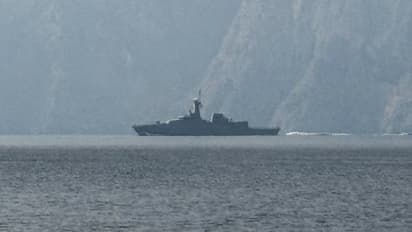
Against this backdrop, Indian authorities are assessing ways to assist ships linked to India—whether Indian-flagged vessels or those carrying Indian cargo and energy supplies. Officials are evaluating whether naval deployments could provide protective escort for ships attempting to exit or pass through the chokepoint safely. Such escorts would aim to reduce the risk of attacks or accidents while ensuring continuity of trade flows.
The idea of naval protection is not unprecedented. India has previously deployed its navy to safeguard merchant vessels during periods of heightened maritime threats. Under maritime security initiatives such as Operation Sankalp, Indian warships have patrolled key sea lanes in the Gulf and Arabian Sea to ensure the safe transit of commercial ships and protect Indian seafarers. These missions have historically been launched during regional crises or when piracy and security threats escalated.
Rising US-Iran Tensions Threaten Global Oil Routes and Trade
The current crisis is particularly concerning for India because of its heavy dependence on energy imports from West Asia. A significant portion of India’s crude oil shipments originates in Gulf countries and travels through the Strait of Hormuz before reaching Indian ports. Any prolonged disruption in the corridor could therefore affect fuel supplies, shipping schedules and energy prices.
Shipping industry representatives and oil companies have already raised alarms about the potential impact of the conflict. Industry groups have reportedly urged the government to consider security escorts and alternative logistical arrangements to keep energy and commodity flows uninterrupted. They have also requested relief measures such as waiving port charges and demurrage fees for cargo delayed due to the crisis.
Also Read: India won't release oil reserves with IEA, cites 'India First' policy
Beyond the immediate shipping concerns, the crisis underscores how geopolitical tensions in the Middle East can ripple across global trade networks. With hundreds of vessels already affected and freight costs rising sharply, analysts warn that disruptions in the Strait of Hormuz could trigger broader economic consequences, including increased energy prices and supply chain delays worldwide.
For India, ensuring safe maritime passage is both an economic and strategic priority. As policymakers evaluate options ranging from diplomatic engagement to naval deployment, the coming days will be crucial in determining how the country safeguards its trade routes and energy lifelines amid one of the most serious maritime crises in recent years.
Stay updated with the Breaking News Today and Latest News from across India and around the world. Get real-time updates, in-depth analysis, and comprehensive coverage of India News, World News, Indian Defence News, Kerala News, and Karnataka News. From politics to current affairs, follow every major story as it unfolds. IMD cities weather forecastsRain Cyclone Asianet News Official App