India Untold: 6 years before Jallianwala Bagh, over 1,500 Bhil tribals were massacred at Mangarh Hill
Synopsis
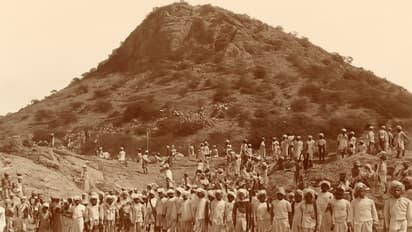
In 1913, six years before Jallianwala Bagh, British and princely forces massacred approximately 1,500 Bhil tribals at Mangarh Hill. Led by reformer Govindgiri, they were protesting against exploitation and bonded labor.
On November 17, 1913, British and princely state forces attacked a gathering of Bhil tribals led by Govindgiri Banjara at Mangarh Hill, Rajasthan. The tribals were protesting against oppressive policies, including bonded labor and heavy taxes.
The massacre resulted in the deaths of approximately 1,500 individuals, making it one of the most tragic and lesser-known events in India's colonial history.

The incident predates the Jallianwala Bagh massacre by six years and is often referred to as the “Adivasi Jallianwala Bagh.” In 2022, Mangarh Dham was declared a national monument, acknowledging the sacrifices made by the Bhil community.
Govindgiri, a social and religious reformer, had been advocating for the rights of the Bhil community, challenging the exploitative practices of local rulers and the British. His movement emphasized social reforms, including the abolition of bonded labor and oppressive taxation.
Tensions escalated when Govindgiri and his followers fortified themselves on Mangarh Hill. Despite attempts at negotiation, the British, under pressure from nearby princely states, issued an ultimatum demanding the dispersal of the gathering. When the Bhils stood their ground, the combined forces attacked, leading to the massacre.
In recognition of this overlooked chapter in India's struggle for independence, Mangarh Dham was declared a national monument in November 2022. Plans are underway to establish a Tribal Freedom Struggle Museum at the site, ensuring that the sacrifices of Govindgiri and the Bhil community are remembered.
Stay updated with the Breaking News Today and Latest News from across India and around the world. Get real-time updates, in-depth analysis, and comprehensive coverage of India News, World News, Indian Defence News, Kerala News, and Karnataka News. From politics to current affairs, follow every major story as it unfolds. IMD cities weather forecastsRain Cyclone Asianet News Official App