Gujarat adds 89 new ambulances to boost tribal emergency healthcare
Synopsis
Gujarat is strengthening emergency healthcare in tribal regions by adding 89 new ambulances. This initiative aims to reduce the average emergency response time from over 18 minutes to approximately 10 minutes, tackling challenges of difficult terrain.
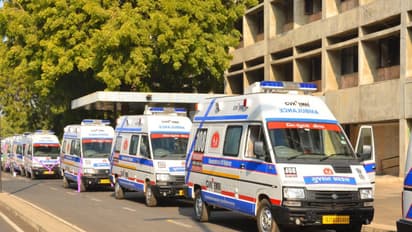
Gujarat is taking a major step towards strengthening emergency healthcare services in its tribal areas with the addition of 89 new ambulances across tribal regions, as per the release. Under the leadership of Chief Minister Bhupendra Patel, the state government has undertaken several initiatives to strengthen healthcare access in the remotest tribal areas of Gujarat.
According to the release, the average response time of the 108 Emergency Ambulance Service across Gujarat is around 13 minutes and 9 seconds. The average response time is approximately 9 minutes and 55 seconds in urban areas, while it is around 16 minutes and 28 seconds in rural areas.
Aiming to Reduce Response Time
However, due to challenging geographical and terrain conditions in tribal regions, the present average emergency response time in these areas is approximately 18 minutes and 32 seconds. With the new fleet, the state aims to bring the average emergency response time in tribal areas down from the present 18 minutes and 32 seconds to around 10 minutes, significantly improving emergency response in these regions.
Addressing Geographical Challenges
The expansion is aimed at addressing one of the biggest challenges in providing emergency healthcare in tribal areas—distance and difficult terrain. Forested regions, hilly landscapes, remote settlements and monsoon-related access problems can delay ambulances in reaching patients and transporting them to hospitals.
Under the leadership of Chief Minister Bhupendra Patel, the state government has undertaken several initiatives to strengthen healthcare access in the remotest tribal areas of Gujarat. The latest expansion of the emergency ambulance network is focused on ensuring that geographical barriers do not prevent tribal communities from receiving timely and life-saving medical care.
With the addition of the new ambulances, the ambulance fleet across the identified tribal districts will increase from the existing 553 ambulances to 642 ambulances, significantly strengthening the emergency transportation network in these areas. The reduction in response time will also help bridge the existing gap between tribal and non-tribal areas and ensure that patients in geographically challenging locations receive emergency assistance as quickly as possible.
Specialized Fleet for Diverse Emergencies
According to the Gujarat Chief Minister's Office (CMO), the new fleet of 89 ambulances has been planned keeping in mind the diverse emergency-care requirements of tribal regions. It includes 22 Advanced Life Support (ALS) ambulances for critically ill and high-risk patients requiring advanced pre-hospital care, 55 Basic Life Support (BLS) ambulances for emergency transportation and essential life-support needs, and 12 Four-Wheel-Drive (4WD) ambulances designed to operate in difficult terrains.
The specialised 4WD ambulances will help improve emergency access in remote tribal settlements, particularly in areas with rough terrain, hilly roads, unpaved routes, heavy monsoon conditions and flood-affected locations where conventional ambulances may face challenges in reaching patients.
Improving Outcomes During the 'Golden Hour'
The expansion is expected to strengthen the state’s pre-hospital emergency care network and improve the chances of patients receiving timely medical intervention during the critical Golden Hour following a serious medical emergency.
Faster access to emergency services is particularly important for pregnant women, newborns, children, senior citizens, persons with disabilities and critically ill patients living in remote and difficult-to-reach areas. By bringing ambulances closer to communities, the initiative is expected to reduce the time between an emergency call and the arrival of medical assistance, thereby improving the prospects of timely stabilisation and transportation to an appropriate healthcare facility.
The initiative seeks to address both critical stages of emergency transportation: reaching the patient quickly and getting the patient to the hospital quickly. The proposed expansion is therefore expected to improve not only emergency response but also overall connectivity between remote tribal communities and healthcare facilities. The additional fleet is designed to provide greater emergency coverage in areas where geographical conditions can significantly influence response and transportation times. The deployment of ALS, BLS and 4WD ambulances will enable the emergency ambulance network to respond more effectively to different categories of medical emergencies and terrain-related challenges.
The procurement process is currently underway and is being managed by the Additional Director of Medical Services, Gandhinagar. (ANI)
(Except for the headline, this story has not been edited by Asianet Newsable English staff and is published from a syndicated feed.)Stay updated with the Breaking News Today and Latest News from across India and around the world. Get real-time updates, in-depth analysis, and comprehensive coverage of India News, World News, Indian Defence News, Kerala News, and Karnataka News. From politics to current affairs, follow every major story as it unfolds. IMD cities weather forecastsRain Cyclone Asianet News Official App