Gandhi Jayanti 2025: Best 5 Speech Topics to Remember Mahatma Gandhi
Synopsis
Gandhi Jayanti, observed on October 2nd, honors Mahatma Gandhi's birth. The day is marked by reflections on his enduring values, often through student speeches.
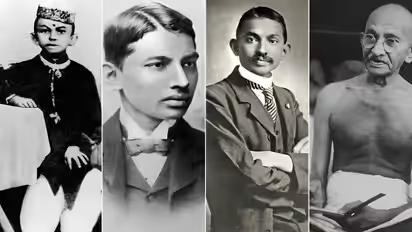
Every year on October 2, Gandhi Jayanti is observed with deep respect across India to honour Mahatma Gandhi’s birth anniversary. This year marks his 156th birth anniversary, and schools, colleges, and institutions across the country are preparing speeches, cultural programmes, and tributes to recall the values of the man fondly remembered as Bapu.
But beyond garlands and rituals, Gandhi Jayanti often finds its most powerful expression in the words spoken by students. A Gandhi Jayanti speech is not just about remembering the freedom struggle—it’s about reflecting on the values Gandhi lived by and questioning how relevant they are today.
Non-violence: A Lesson for Our Times
One of Gandhi’s strongest messages was that of Ahimsa—non-violence. For him, peace was not weakness but the greatest strength of humanity. Students speaking on this theme often draw parallels between Gandhi’s peaceful protests against British rule and today’s struggles against hate, bullying, or war.
In classrooms and auditoriums, the message comes alive: violence may create fear, but only non-violence creates lasting change.
The Power of Simplicity
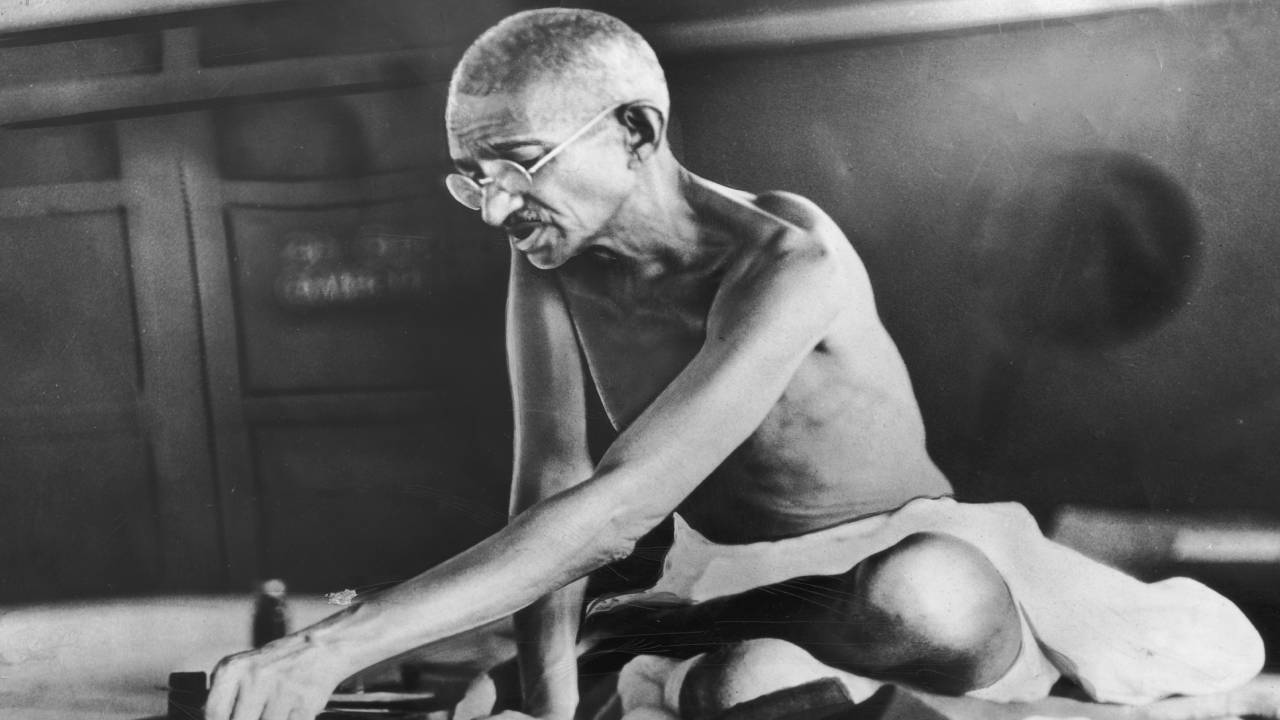
At a time when consumerism defines success, Gandhi’s lifestyle of khadi clothes and spinning his own yarn carries a quiet but urgent lesson. He believed simplicity wasn’t about denial, but about freedom—from greed, from over-consumption, from endless comparisons.
A student speech on simplicity often ties Gandhi’s choices to today’s need for sustainability, mindful living, and even mental well-being. His charkha becomes a metaphor for self-reliance in a world that is rushing too fast.
Truth as a Weapon
“Truth is God,” Gandhi said, and he lived by it. His Satyagraha shook the British Empire not through bloodshed, but through honesty and moral strength.
On Gandhi Jayanti, speeches on truth encourage young audiences to think about honesty not just in history, but in daily life—being truthful in exams, authentic in friendships, or courageous enough to speak up against wrongs. In an age of misinformation, Gandhi’s insistence that truth always triumphs feels more relevant than ever.

Self-reliant Villages, Stronger India
While Gandhi’s role in the independence movement is celebrated, his vision for India’s future was equally powerful. He dreamed of Gram Swaraj—self-sufficient villages that formed the backbone of the nation.
In 2025, his ideas echo in initiatives like Make in India and Atmanirbhar Bharat. Students often connect this vision to modern conversations about sustainable farming, rural empowerment, and supporting local industries. Gandhi’s dream, they argue, is still unfinished but remains as necessary as ever.
Education Beyond Books
For Gandhi, education was never only about reading and writing. It was about shaping character, instilling values, and preparing individuals to serve society. His concept of Nai Talim blended academics with practical skills and moral responsibility.
Speeches on this theme strike a chord with today’s students who see education becoming a race for marks. Gandhi’s vision reminds them that learning is also about empathy, creativity, and responsibility—qualities that shape a better society.
Stay updated with the Breaking News Today and Latest News from across India and around the world. Get real-time updates, in-depth analysis, and comprehensive coverage of India News, World News, Indian Defence News, Kerala News, and Karnataka News. From politics to current affairs, follow every major story as it unfolds. IMD cities weather forecastsRain Cyclone Asianet News Official App