Delhi Pollution: 70 Lakh Trees Planted, 24-Hour Monitoring And Major Steps To Fight Toxic Air
Synopsis
Delhi steps up its year-round pollution fight with 71 lakh saplings, 24-hour hotspot monitoring, Delhi Ridge protection, electric road sweepers and stricter vehicle and construction rules under its 2026-27 Winter Action Plan.
Delhi has been fighting to combat air pollution by creating a full year-round action plan. The government has taken a number of steps to boost greenery and protect the Delhi Ridge, while managing construction dust and monitoring pollution hotspots.
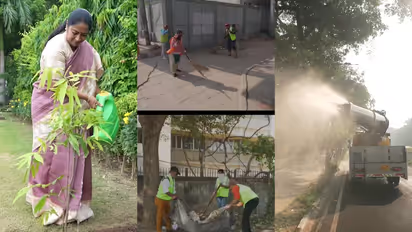
Over the last year around 70 lakh saplings have been planted in the capital. Dust control measures have also been improved with machinery being used to clean roads and a 24-Hour Command Centre To monitor areas of high pollution. The goal is to improve air quality by having a constant action plan in place throughout the year.
Delhi Pollution: 70 Lakh Trees Planted To Boost Greenery
Boosting greenery in Delhi is an important part of fighting air pollution. Over the last year around 70 lakh saplings have been planted in the capital.
Planting trees can improve conditions of the environment and reduce the negative effects of dust. However, this is just one aspect of tackling pollution in the city.
Delhi Ridge Protection And Dust Control
The government are also working to protect the important natural green zone of the Delhi Ridge.
A key issue in Delhi is dust. To combat this machinery has been put in place on roads and construction sites are being cleaned regularly and dust is being kept under control.
24-Hour Command Centre Monitoring Polluted Areas
Technology is being used to monitor pollution more effectively. There is now a command centre monitoring polluted areas in Delhi.
This will help identify areas of high pollution and help the relevant departments work together. Constant monitoring means the authorities should be able to act faster to local pollution sources.
Delhi Winter Action Plan 2026-27
In the 2026-27 Winter Action Plan, stricter measures are being put in place to tackle vehicle, construction and waste burning issues. In a review meeting in September 2026, it was reported that 71 lakh saplings had been planted and 433 acres had been turned into greenery from the 434 acres of brown areas identified.
Demolition and outdoor construction causing dust will be restricted between 1st November and 31st January. There will also be a total ban on construction and demolition between 10th December and 20th January.
Vehicles will not be allowed into the city if they are not BS-VI standard and are not registered in Delhi. Vehicles will also not be given fuel if they don’t have a valid Pollution Under Control Certificate (PUCC). Measures such as working from home will also be considered to reduce private vehicles.
30 Electric Mechanical Road Sweepers
The government have also approved 30 electric mechanical road sweepers to improve cleaning on smaller roads. Real time pollution monitoring will also take place with support from IIT Delhi to scientifically identify pollution sources.
By taking these steps, Delhi will work to tackle air pollution by constantly monitoring, enforcing stricter rules and implementing long term environmental solutions.
Stay updated with the Breaking News Today and Latest News from across India and around the world. Get real-time updates, in-depth analysis, and comprehensive coverage of India News, World News, Indian Defence News, Kerala News, and Karnataka News. From politics to current affairs, follow every major story as it unfolds. IMD cities weather forecastsRain Cyclone Asianet News Official App