CRPF sets up 43 high-altitude bases in J&K after Baisaran attack
Synopsis
CRPF establishes 43 Temporary Operating Bases (TOBs) in high-altitude terrains of Jammu and Kashmir to strengthen counter-terror deployment. The move follows the April 2025 Baisaran attack and aims to enhance surveillance and response time.
In a major security push across the higher reaches of Jammu and Kashmir, the Central Reserve Police Force (CRPF) has established 43 Temporary Operating Bases (TOBs) in hilly terrains located at altitudes of nearly 6,000 feet and above, significantly strengthening counter-terror deployment in vulnerable mountainous zones.
Strategic Shift After Terror Attack
The move comes in the aftermath of the April 22, 2025, terrorist attack on tourists in the Baisaran meadow near Pahalgam, a popular tourist destination in South Kashmir. The attack, which triggered nationwide outrage and renewed security concerns, prompted a comprehensive review of area domination strategies, particularly in high-altitude forest belts that have historically served as infiltration and hideout routes for militants.
According to officials, 26 TOBs were set up in Kashmir in October last year, while 17 additional bases were established in Jammu in November, taking the total to 43. These bases have been strategically positioned in difficult-to-access mountainous stretches to ensure round-the-clock surveillance, improved response time, and denial of safe havens to terrorist groups.
The first TOB under the renewed operational strategy was established in the Pahalgam-Tral-Harwan range in South Kashmir. This belt, characterised by dense forests, steep gradients, and limited road connectivity, has often posed logistical and operational challenges for security forces. By positioning personnel closer to vulnerable zones, the CRPF aims to enhance area domination and disrupt militant movement across forest corridors.
Advanced Gear and Logistical Support
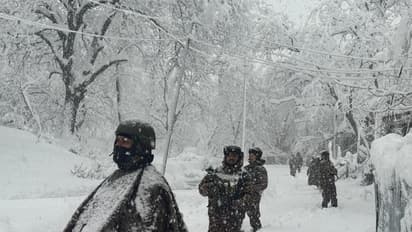
Officials said the deployment in such extreme terrain required significant logistical planning. Personnel stationed at these TOBs have been equipped with ergonomic backpacks designed to reduce fatigue during long treks across mountainous routes. They have also been provided with advanced tactical equipment, double- and triple-layered protective jackets suited for harsh weather conditions, and specialised trekking boots to navigate rocky and uneven landscapes.
In addition to improved gear, the officials said, satellite phones are being used to ensure uninterrupted communication in remote areas where conventional mobile connectivity is unreliable or absent. This communication upgrade is seen as critical in ensuring swift coordination during operations and emergencies.
Operational Advantages of Forward Presence
Security experts note that high-altitude operating bases allow forces to maintain a sustained presence in regions that were earlier accessed only through periodic patrols. Temporary Operating Bases are typically semi-permanent structures that enable troops to live and operate for extended periods in forward locations. By staying embedded in these terrains, forces reduce response time and enhance intelligence gathering through continuous area familiarity.
Utilising Local Structures
Another key aspect of the deployment strategy involves identifying and utilising "Dhoks" -- traditional seasonal shelters used by local shepherd communities in the upper reaches. These structures provide basic cover and have been adapted for operational use, allowing forces to maintain presence without extensive new construction in environmentally sensitive zones.
Renewed Focus on Securing Vulnerable Zones
The April 2025 Baisaran attack marked one of the most significant assaults on civilians in the region in recent years and underscored the vulnerability of tourist hubs located near forest peripheries. The incident led to intensified counter-terror operations and a renewed focus on securing trekking routes, meadows, and remote tourist destinations that witness heavy footfall during peak seasons.
Jammu and Kashmir has witnessed fluctuating security dynamics over the past decade, with security forces increasingly focusing on forested belts and mountainous infiltration routes. The latest expansion of TOBs reflects a proactive and preventive strategy aimed at dominating terrain rather than reacting to incidents.
Officials indicated that the establishment of these 43 TOBs is part of a broader, long-term security grid aimed at ensuring safety for both local residents and tourists while dismantling militant infrastructure in remote regions. With enhanced mobility, better protective gear, and improved communication systems, the CRPF's high-altitude deployment marks a significant shift toward sustained forward presence in the Union Territory's most challenging landscapes. (ANI)
(Except for the headline, this story has not been edited by Asianet Newsable English staff and is published from a syndicated feed.)Stay updated with the Breaking News Today and Latest News from across India and around the world. Get real-time updates, in-depth analysis, and comprehensive coverage of India News, World News, Indian Defence News, Kerala News, and Karnataka News. From politics to current affairs, follow every major story as it unfolds. IMD cities weather forecastsRain Cyclone Asianet News Official App