2006 Mumbai Train Blasts: Supreme Court Pauses Verdict, But Acquitted Won't Go Back To Jail. Here's Why
Synopsis
The Supreme Court has paused the Bombay High Court’s verdict that acquitted 11 people in the 2006 Mumbai train blasts case, but said they will not be re-arrested. The judgment cannot be used as precedent.
Supreme Court has put a pause on the Bombay High Court's verdict in the 2006 Mumbai train bomb blasts case, but will not send the acquitted people back to jail.
The top court said the High Court's ruling should not be used as a legal example in other similar cases. This decision came after concerns were raised that the ruling could affect other terror-related trials under MCOCA, the Maharashtra Control of Organised Crime Act.
Why the court paused the ruling
The bench, consisting of Justices MM Sundresh and N Kotiswar Singh, heard the petition filed by the State of Maharashtra. Solicitor General Tushar Mehta, representing the state, said the Bombay High Court's verdict had several findings that could impact future MCOCA cases.
Mehta clarified that the state was not asking for the acquitted men to be arrested again, but only wanted the ruling to be paused so it doesn't affect ongoing or future cases.
The Supreme Court agreed. It said that while all acquitted persons remain free, the High Court's judgment will be temporarily stayed as a precedent, meaning it cannot be used as a legal reference in other cases.
What happened on July 11, 2006?
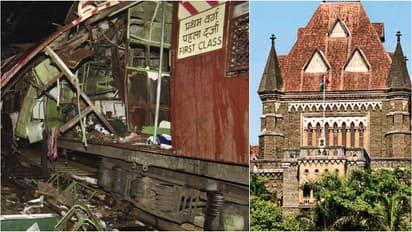
On the evening of July 11, 2006, seven bombs exploded in local trains on Mumbai's Western Railway line. The deadly attacks killed 189 people and injured over 800. The blasts took place within just 11 minutes, causing chaos and fear across the city.
The long legal journey
The case was tried under MCOCA, a strict anti-organised crime law. In October 2015, a special MCOCA court sentenced 5 men to death:
- Kamal Ansari
- Mohammad Faisal Ataur Rahman Shaikh
- Ehtesham Qutubuddin Siddiqui
- Naveed Hussain Khan
- Asif Khan
The special MCOCA court sentenced 7 men to life imprisonment:
- Tanveer Ahmed Ansari
- Mohammed Majid Shafi
- Shaikh Mohammed Ali Alam
- Mohammed Sajid Margub Ansari
- Muzzammil Ataur Rahman Shaikh
- Suhail Mehmood Shaikh
- Zameer Ahmed Latifur Rehman Shaikh
One of the five sentenced to death, Kamal Ansari, died due to COVID-19 in 2021 while in a Nagpur jail.
Bombay High Court verdict and aftermath
After years of appeal, the Bombay High Court in 2023 overturned the trial court's judgment, acquitting 11 of the accused and strongly criticised the prosecution. It said the evidence was weak and poorly handled.
So far, nine of the acquitted men have been released. Two, Mohammad Faisal and Naveed Hussain, remain in jail due to other pending criminal cases.
The Supreme Court has said it will hear the matter in full after giving notice to all parties. Until then, the High Court's ruling can't be used as an example in other legal cases involving MCOCA or similar charges.
Nearly 19 years after the Mumbai train blasts, the case continues to make legal headlines. The victims and their families still wait for closure, while courts continue to debate evidence, law and justice. The next few months may decide the final legal fate of one of India's worst terror attacks.
Stay updated with the Breaking News Today and Latest News from across India and around the world. Get real-time updates, in-depth analysis, and comprehensive coverage of India News, World News, Indian Defence News, Kerala News, and Karnataka News. From politics to current affairs, follow every major story as it unfolds. IMD cities weather forecastsRain Cyclone Asianet News Official App