10 Amazing Facts About Delhi’s Red Fort You Probably Didn’t Know
Synopsis
Delhi Red Fort Facts: The Red Fort is a symbol of India's pride and freedom. Discover 10 fascinating facts you might not know about its history, from Shah Jahan's era to today's events.
Delhi Red Fort Interesting Facts: The Red Fort in Delhi is one of India’s most iconic landmarks, symbolizing the nation’s pride, history, and freedom. Built by Mughal Emperor Shah Jahan, this magnificent fort took nearly 10 years to complete—and interestingly, it was originally white! Here are 10 fascinating facts about the Red Fort that reveal its hidden stories and timeless charm.
It Was White, Not Red
The Red Fort wasn't always red. When it was built by Mughal Emperor Shah Jahan, it was made of white marble and limestone. But when the stones began to deteriorate over time, the British painted it red. Since then, it has been called the Red Fort.
The Original Name Was 'Qila-e-Mubarak'
The original name of the Red Fort was Qila-e-Mubarak, which means the Blessed Fort. Shah Jahan used it as his royal residence. Later, when its red color became prominent, it came to be known as the 'Red Fort'.
Built by Shah Jahan, It Took 10 Years
The construction of this massive fort began in 1638 and was completed about 10 years later in 1648. It cost around 1 crore rupees to build, which was a huge amount for that era.
High Walls to Keep Enemies Away
The walls of the Red Fort were built to be extremely strong for security purposes. The walls on the Yamuna river side are 18 meters high, while on the city side, they are up to 33 meters high. The entire perimeter of the fort is about 2.5 kilometers long.
Connection to the Koh-i-Noor Diamond
The Diwan-i-Khas of the Red Fort once housed Shah Jahan's royal throne, which was embedded with the Koh-i-Noor diamond. The British looted it after taking over India and took it to England.
Freed from the Mughals by the Sikhs
On March 11, 1783, Sikh warriors captured the Red Fort and liberated it from the Mughals. This event is one of those moments in history when the fort witnessed a change of power with its own eyes.
The Center of Shahjahanabad
Shah Jahan had established a new city around the Red Fort, which was called 'Shahjahanabad'. Today, this area is known as 'Old Delhi'.
The British Demolished Many of Its Beautiful Parts
During British rule, many of the fort's beautiful palaces and markets, such as the Meena Bazaar, were demolished. The palaces adorned with Turkish velvet and Chinese silk were destroyed. Despite this, the Red Fort still preserves its grandeur and historical significance today.
The Echo of Freedom Rose from Here
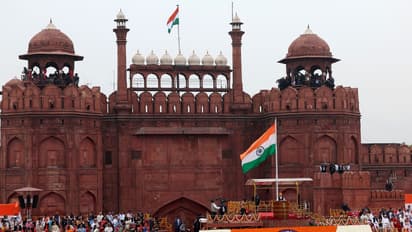
When India became independent on August 15, 1947, the country's first Prime Minister, Pandit Jawaharlal Nehru, hoisted the tricolor from the ramparts of the Red Fort. Since then, this tradition has been followed every year on Independence Day.
Became a UNESCO World Heritage Site in 2007
The Red Fort was declared a UNESCO World Heritage Site in 2007. Today, it is not only an identity of Delhi but has also become a symbol of India's culture, valor, and freedom.
Today, as the Red Fort is in the news again, it is important to remember that this fort is not just a structure of stones, but the story of our heritage, our identity, and our freedom. For centuries, it has been a symbol of India's pride and will continue to be so in the future.
Stay updated with the Breaking News Today and Latest News from across India and around the world. Get real-time updates, in-depth analysis, and comprehensive coverage of India News, World News, Indian Defence News, Kerala News, and Karnataka News. From politics to current affairs, follow every major story as it unfolds. IMD cities weather forecastsRain Cyclone Asianet News Official App