Salt as Weapon: The Ancient Punishment That Could Wipe Out an Entire Kingdom
Published : Dec 16, 2025, 01:13 PM IST
Salting the Earth: In the old days, kings used many tricks to destroy enemy kingdoms. One of them was salting the land. Do you know how dangerous it was to salt an entire kingdom? It was also a warning to other kingdoms.
15
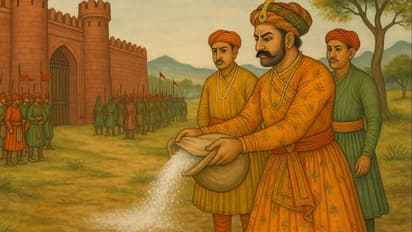
Why was salt sprinkled after a war?
In ancient times, kings were brutal after wars, using destructive plans to prevent recovery. One tactic was salting the earth, spreading salt over enemy cities and farms. This act of revenge, known in history as 'Salting the Earth,' was meant to permanently weaken the defeated kingdom.
Stay updated with the Breaking News Today and Latest News from across India and around the world. Get real-time updates, in-depth analysis, and comprehensive coverage of India News, World News, Indian Defence News, Kerala News, and Karnataka News. From politics to current affairs, follow every major story as it unfolds. IMD cities weather forecastsRain Cyclone Asianet News Official App
Read more
Read more Photos on