Mumbai to Get India’s First Pod Taxi System, Driverless Travel Set to Begin Soon
Mumbai is set to launch India’s first driverless pod taxi system connecting Kurla and BKC. The AI-based project aims to improve connectivity, reduce traffic, and offer faster, convenient travel for commuters.
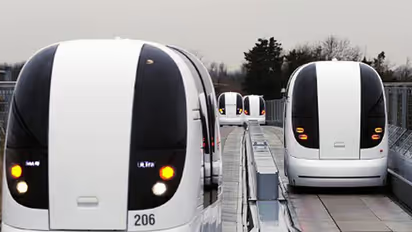
Maharashtra Chief Minister Devendra Fadnavis performed the bhoomi pujan (foundation stone ceremony) for the driverless pod taxi project on Tuesday. This unique project is an automated rapid transit system. It is being built to connect Kurla and the Bandra Kurla Complex (BKC) in Mumbai. Once completed, daily commuters will benefit from better connectivity.
Deputy CM Eknath Shinde and Sunetra Pawar also attended the ceremony. CM Fadnavis confirmed that the project has already received all necessary permissions. The Mumbai Metropolitan Region Development Authority (MMRDA) is developing this project. BKC is a major business hub in Mumbai, home to multinational companies, banks, the National Stock Exchange, hotels, and the Bharat Diamond Bourse.
Stay updated with the Breaking News Today and Latest News from across India and around the world. Get real-time updates, in-depth analysis, and comprehensive coverage of India News, World News, Indian Defence News, Kerala News, and Karnataka News. From politics to current affairs, follow every major story as it unfolds. IMD cities weather forecastsRain Cyclone Asianet News Official App