Air India, DGCA and Boeing React After Pilot Flags Fuel Switch Issue on Dreamliner
An Air India Boeing 787-8 Dreamliner was grounded after a pilot reported a possible defect in the fuel control switch. The aircraft had flown from London to Bengaluru with over 200 people onboard. Air India informed DGCA and involved Boeing also.
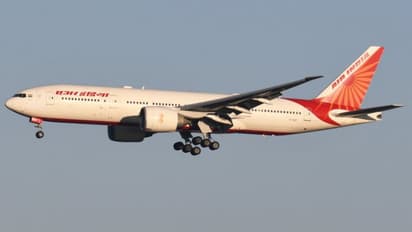
An Air India Boeing 787-8 Dreamliner has been grounded after a pilot reported a possible defect in the aircraft’s fuel control switch. The issue was flagged after the plane completed a flight from London to Bengaluru on Monday morning. More than 200 passengers were on board the flight, according to sources.
Soon after the report, Air India removed the aircraft from service and informed the Directorate General of Civil Aviation (DGCA), India’s aviation regulator. The airline also contacted Boeing, the aircraft’s manufacturer, to examine the issue on priority.
The development has drawn strong attention because it comes while investigators are still probing Air India’s deadly Dreamliner crash in June last year, which killed 260 people.
Stay updated with the Breaking News Today and Latest News from across India and around the world. Get real-time updates, in-depth analysis, and comprehensive coverage of India News, World News, Indian Defence News, Kerala News, and Karnataka News. From politics to current affairs, follow every major story as it unfolds. IMD cities weather forecastsRain Cyclone Asianet News Official App