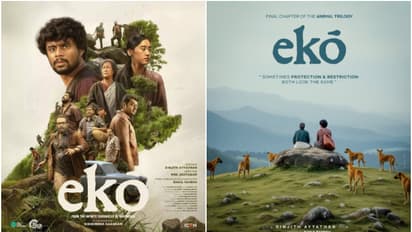
At 70, a retired English teacher from Meghalaya stepped far beyond her quiet life to star in a Malayalam film. Her unexpected debut in Eko has won critical praise, proving that passion and reinvention can begin at any age
Biana Watre Momin never imagined a life before the camera. Raised in Meghalaya’s Garo Hills, she grew up without cinemas or theatres, eventually dedicating her life to teaching English literature at Tura Government College. Poetry, books, and classrooms shaped her world. Acting, by contrast, remained entirely foreign. Even after retirement, her days revolved around family, pets, and quiet routines. Yet this grounding in observation, empathy, and human emotion would later become her greatest strength on screen, proving that storytelling is not limited to stages or studios.
23
A BOLD LEAP INTO THE UNKNOWN AT 70
Everything changed when Momin was cast in Eko, a Malayalam-language film set in the misty Western Ghats. Despite not knowing the language and having no formal acting experience, she accepted the role with encouragement from her daughter. Travelling over 3,000 kilometres from home, she stepped onto a professional film set for the first time at 70. Learning lines phonetically, enduring long mountain treks, unpredictable weather, and intense shooting schedules, she embraced the challenge fully. Her courage, discipline, and openness turned what could have been a barrier-filled experience into a transformative journey.
33
QUIET POWER, REPRESENTATION, AND A NEW LEGACY
In Eko, Momin plays Mlathi Chettathi, a solitary, resilient elder whose silence carries authority and depth. Her performance stood out for its restraint, authenticity, and emotional intelligence, earning praise from critics and celebrated actors alike. More importantly, her presence challenged long-held ideas about age, representation, and who gets to lead a film. Drawing from her lived experience and matrilineal cultural background, Momin infused the role with quiet feminism and dignity. Today, as new scripts come her way, she stands as a reminder that cinema’s most powerful truths often emerge from lives deeply lived.