US, Iran Receive Ceasefire Plan Amid Rising War Tensions
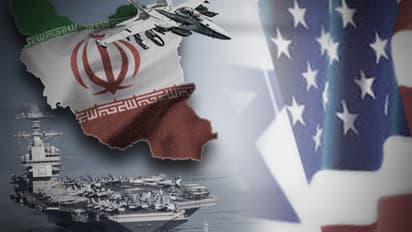
Synopsis
A new diplomatic push is underway to resolve US-Iran hostilities through a proposed framework. The plan outlines a two-phase approach, starting with an immediate ceasefire, followed by broader negotiations. Key provisions include reopening the Strait of Hormuz, sanctions relief, and addressing Iran’s nuclear program.
A fresh diplomatic push to end hostilities between the United States and Iran is underway, with both sides receiving a proposed framework aimed at securing an immediate ceasefire and easing tensions in the region. The plan, reportedly crafted with mediation efforts involving regional powers, comes at a critical moment as fears of wider escalation continue to grow.
According to sources, the proposal outlines a two-phase approach, beginning with an immediate ceasefire agreement, followed by negotiations toward a broader and more permanent settlement. The framework reportedly includes provisions for reopening the strategically vital Strait of Hormuz, a key global oil transit route that has been severely disrupted amid the conflict.
The plan—sometimes referred to as the “Islamabad Accord”—is said to involve discussions around sanctions relief, the release of frozen assets, and Iran potentially scaling back its nuclear ambitions in exchange for long-term security guarantees. Talks are expected to continue with involvement from multiple regional and global stakeholders.
However, despite the diplomatic momentum, Iran has not yet committed to the proposal, reflecting the deep mistrust and complexity surrounding the negotiations. Previous attempts at temporary ceasefires have failed, with Tehran earlier rejecting a short-term truce offer, signalling reluctance to agree to limited or conditional arrangements.
Meanwhile, US President Donald Trump has continued to escalate pressure on Iran, warning of severe consequences if Tehran does not comply with demands to restore maritime traffic through the Strait of Hormuz. Trump has previously threatened strikes on critical infrastructure, including power plants and transport networks, if the situation does not improve.
The urgency of the ceasefire proposal is underscored by the broader impact of the conflict. The Strait of Hormuz handles a significant share of global oil shipments, and ongoing disruptions have already pushed oil prices higher and unsettled global markets.
There are also parallel discussions around a 45-day temporary ceasefire, which could provide a window for more detailed negotiations. If agreed upon, such a pause in hostilities could be extended to allow both sides to work toward a comprehensive peace deal.
Despite these efforts, the situation remains highly volatile. With both sides maintaining hardline positions and military tensions still high, the proposed ceasefire represents a narrow opportunity to de-escalate a conflict that has already had far-reaching geopolitical and economic consequences.
Whether the plan leads to a breakthrough or becomes another failed attempt at diplomacy will depend on how both Washington and Tehran respond in the coming days, as the world watches closely for signs of either peace or further escalation.