India-US Trade Deal: Trump’s Tariff Claims, Fact Sheet Changes and Key Questions
Synopsis
A new India-US trade deal is facing scrutiny over its evolving details and uncertain commitments. Revisions to the US trade fact sheet have softened binding language to aspirational intent, creating ambiguity.
The India-US trade deal announced on Washington has sparked widespread debate as details continue to evolve. While the agreement has been presented as a major step toward strengthening bilateral trade ties, revisions to official documents and differing interpretations of key claims have raised questions about the scope and certainty of the commitments involved. At the centre of the discussion are tariff reductions, market access promises and changes made to the US government’s trade fact sheet after its initial release.
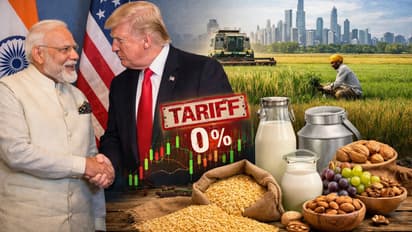
The deal was initially projected as a wide-ranging arrangement aimed at reducing trade barriers and expanding access to the Indian market for American goods. It was also portrayed as a significant win for both sides, with claims of sharply reduced or even “zero” tariffs on select products. However, closer scrutiny of the revised documentation suggests that several aspects of the agreement are still being clarified.
Fact Sheet Revisions Raise Questions
One of the most notable developments has been the revision of the official trade fact sheet issued by the US administration. References to specific agricultural products were removed, and language describing India’s purchasing commitments was softened. Terms such as “committed” were replaced with phrases like “intends,” indicating that some elements may be aspirational rather than binding.
These edits have drawn attention because they suggest that negotiations are still underway and that certain trade concessions may not yet be finalised. The absence of clarity around product categories and timelines has added to the uncertainty surrounding how and when the proposed benefits will materialise.
Understanding the Tariff Narrative
Claims of “zero tariffs” have also been a key talking point. While the deal does involve tariff reductions, it does not imply a blanket elimination of duties across all goods. Instead, the framework focuses on selective tariff cuts on industrial, agricultural and energy products, alongside improved market access.
Both sides are expected to pursue reciprocal benefits, with tariff adjustments likely to be implemented in phases. The agreement, as it stands, outlines intent rather than a detailed tariff schedule, leaving room for further negotiations.
A Framework, Not A Final Pact
Overall, the trade deal appears to function more as a framework than a fully concluded agreement. While it signals a willingness by both countries to deepen economic engagement, several critical details — including the scale of purchases, product coverage and tariff levels — remain open.
The eventual impact of the deal will depend on how these unresolved issues are addressed and translated into binding commitments. Until then, the agreement represents an important but evolving step in the India-US trade relationship rather than a finished roadmap.