India’s Nuclear Feat Stuns World: Why US, France Failed Despite Billions | Explained
Synopsis
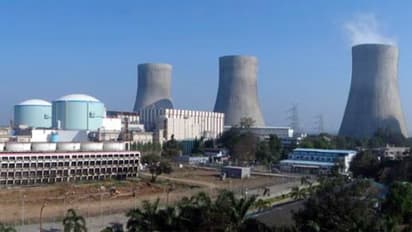
India's Prototype Fast Breeder Reactor (PFBR) at Kalpakkam has achieved criticality, initiating a self-sustaining nuclear chain reaction. This significant milestone places India in an elite group of nations with advanced nuclear capabilities.
A Historic Breakthrough in India’s Nuclear Journey
India has achieved a landmark milestone in its nuclear energy programme, with the Prototype Fast Breeder Reactor (PFBR) at Kalpakkam attaining criticality — a stage where a self-sustaining nuclear chain reaction begins. This development marks a defining moment not just for India’s energy ambitions, but also for global nuclear technology, as it demonstrates capabilities that even advanced nations have struggled to achieve.
What makes this achievement particularly striking is that countries like the United States and France have not been able to successfully operationalise fast breeder reactors at a commercial level, while only Russia currently runs a functioning commercial fast breeder reactor. India’s success, therefore, places it in an elite and highly exclusive group of nations with advanced nuclear expertise.
Prime Minister Narendra Modi described the milestone as a “proud moment for India” and a “defining step in India’s nuclear journey,” underscoring the importance of the achievement for the country’s scientific and strategic progress. The reactor’s criticality signals India’s entry into the second stage of its ambitious three-stage nuclear programme.
What Makes the Kalpakkam Reactor Unique
The Prototype Fast Breeder Reactor stands apart from conventional nuclear reactors due to its ability to generate more fuel than it consumes. Unlike traditional reactors that rely primarily on uranium, the PFBR uses a mix of plutonium and uranium fuel and has the capability to convert non-fissile material into usable fuel. This “breeding” process is crucial for India, which has limited uranium reserves but abundant thorium deposits that can be utilised in later stages.
The Kalpakkam reactor has a capacity of 500 MWe and uses liquid sodium as a coolant instead of water. This allows it to operate at higher temperatures and improves efficiency, but also makes the system more complex and technologically demanding. Achieving criticality in such a reactor is therefore a significant engineering accomplishment.
In nuclear terms, criticality refers to the point at which the reactor sustains a steady chain reaction, producing a constant number of neutrons. This stage is essential before a reactor can move towards full power generation and integration into the electricity grid.
Why the World Couldn’t Do It Easily
Fast breeder reactor technology has long been considered one of the most challenging areas in nuclear science. Several developed countries, including the United States and France, have experimented with such reactors but faced technical, economic, and safety-related challenges that prevented large-scale commercial success.
In contrast, Russia remains the only country that has successfully operated a commercial fast breeder reactor, highlighting the complexity and exclusivity of the technology. India’s ability to reach this stage, therefore, reflects decades of sustained investment, research, and innovation in nuclear science.
The Kalpakkam project itself has had a long and challenging journey. Construction began in 2004, and the reactor faced multiple delays due to the intricate nature of the technology, stringent safety requirements, and regulatory approvals. Despite these hurdles, India managed to complete the project using largely indigenous expertise, demonstrating its growing capabilities in advanced engineering and scientific research.
Energy Security, Strategic Gains and the Road Ahead
The successful criticality of the PFBR has far-reaching implications for India’s energy future. As the country’s power demand continues to rise, nuclear energy offers a reliable and low-carbon alternative to fossil fuels. Fast breeder reactors, in particular, are highly efficient and can significantly extend the life of nuclear fuel resources by producing more fuel than they consume.
This capability is especially important for India’s long-term strategy, which aims to utilise its vast thorium reserves in the third stage of its nuclear programme. By enabling this transition, the PFBR strengthens India’s path towards energy independence and sustainability.
Beyond energy security, the achievement also enhances India’s global standing. Mastery of such advanced technology places India among the world’s leading nuclear powers and reinforces its position as a country capable of overcoming complex scientific challenges.
Following criticality, the reactor will undergo further testing and validation before it is connected to the national grid for electricity generation. Once operational, it is expected to serve as a model for future fast breeder reactors in India, paving the way for expansion of nuclear capacity.
In a world increasingly focused on clean and sustainable energy, India’s success at Kalpakkam stands out as a major breakthrough. By accomplishing what even technologically advanced nations could not fully achieve, India has taken a decisive step toward securing its energy future while contributing to the global push for low-carbon power solutions.