No Army Since 1948: How Costa Rica Thrives Without a Military Amid Global Wars
Synopsis
Costa Rica abolished its army in 1948 and redirected military spending to education and healthcare. In an era of rising global defence budgets, the country stands out as a rare example of a stable democracy without a standing military.
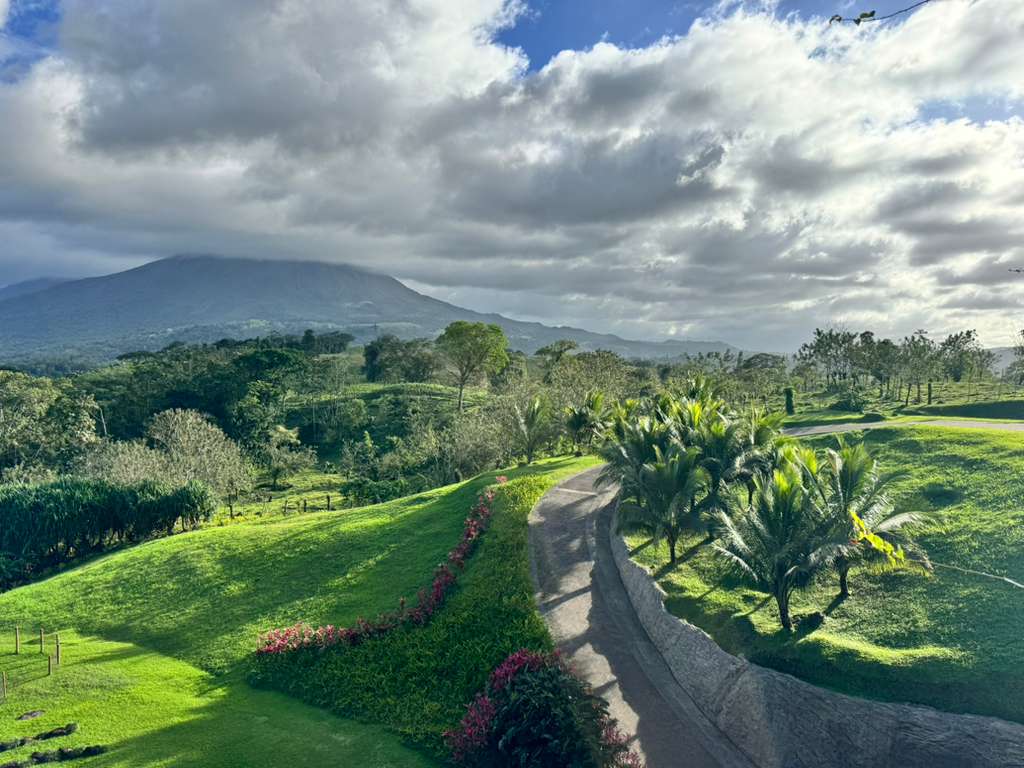
For the past few days, I have been in Costa Rica, the picturesque Central American nation known for its extraordinary natural beauty. Bordered by the Pacific Ocean on one side and the Caribbean Sea on the other, the country boasts long stretches of coastline. Its landscape is marked by towering mountain ranges, lush rainforests, and numerous volcanoes that define Costa Rica’s dramatic geography. Recognized as one of the most biologically diverse regions in the world, the country is home to many national parks and protected forests. This remarkable ecological richness has made Costa Rica a globally renowned destination for eco-tourism.
The Surprising Discovery
During my visit, however, one particular feature of this country stood out and fascinated me. Costa Rica does not maintain a standing army.
This is especially striking at a time when armed conflicts are once again intensifying across several parts of the world. While wars continue to rage in some regions, many countries are simultaneously engaged in expanding their military capabilities. According to estimates by the Stockholm International Peace Research Institute (SIPRI), global defense spending has crossed approximately $2.4 trillion annually. It is one of the highest levels ever recorded in human history.
It is against this global backdrop that Costa Rica’s unique approach becomes particularly significant.

A Historic Decision in 1948
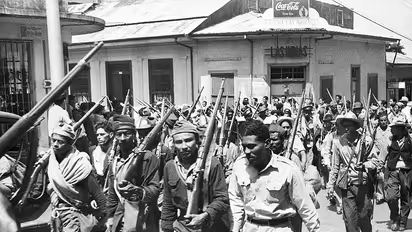
The decision dates back to 1948, following a period of internal political unrest. In a historic move, the Costa Rican government abolished the country’s standing army. The decision was later enshrined in the national constitution. Since then, national security has been handled through civilian police forces and specialized border security agencies rather than a traditional military.
The financial resources that would otherwise have been spent on maintaining an army were redirected toward education and healthcare. Studies often note that this shift has helped Costa Rica develop one of the strongest public health systems and highest educational standards in Latin America.

A Rare Global Model
Globally, around 25 countries do not maintain permanent armed forces. Many of them are small island states. However, Costa Rica is frequently cited as one of the most prominent examples of a stable democracy that functions successfully without a standing army. Apart from Costa Rica, countries such as Panama, Iceland, Andorra, Monaco, and San Marino also do not maintain permanent militaries. Some of these nations rely primarily on police and security forces, while others depend on defense agreements with larger neighboring countries.
Why the Model Works in Costa Rica
Costa Rica’s geographic and geopolitical environment also plays a role in making this model viable. The country faces relatively limited external military threats. This has allowed it to sustain the decision to function without an army. For many other nations around the world, however, such a choice is far more complicated. Historical conflicts, territorial disputes, and complex geopolitical realities compel many states to maintain strong defense structures.
For that reason, while Costa Rica’s model remains a remarkable example, it is not necessarily one that every country can easily replicate. Yet in an era when wars and arms races continue to dominate global headlines, Costa Rica’s experience, channeling resources once meant for the military into education and healthcare, offers the world a different perspective worth reflecting upon.