AI-Coded App Lets Travellers Flag Hotels Over Bed Bug Sightings In China
Synopsis
The platform allows users to flag hotels where they claim to have encountered the blood-sucking pests, putting establishments under public scrutiny with just a single click.
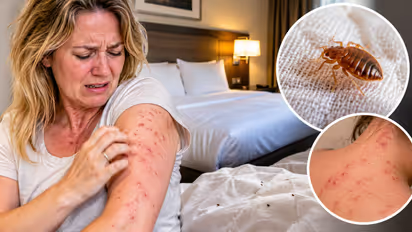
A digital map tracking bed bug sightings across China has taken the internet by storm, but its growing popularity has also triggered a heated debate over hotel reputations and the credibility of online complaints. The platform allows users to flag hotels where they claim to have encountered the blood-sucking pests, putting establishments under public scrutiny with just a single click, according to the South China Morning Post.
Since its launch on September 21, the app has attracted nearly 200,000 users, who have collectively flagged more than 600 hotels across China. The interactive map allows anyone to report a suspected bed bug sighting at a hotel, with the markings becoming visible to the public.
However, the platform has not gone down well with several hotel operators, some of whom have alleged that their establishments were unfairly targeted. According to China Business News, certain hotels have challenged the claims, raising concerns about the potential damage to their reputations.
The app's creator, Wang, who operates under the online handle @AI maker, said the initiative was designed to create a public platform where consumers could share information and warn others about possible bed bug infestations.
“Apparently, it is not perfect yet because I developed it alone,” Wang admitted.
Interestingly, Wang, an engineer at a manufacturing company, had no prior programming experience before turning to artificial intelligence to write code in July. He said the idea struck him after he was bitten by an insect while moving house earlier this summer.
Wang highlighted the difficulties consumers face when trying to identify hotels with reported bed bug problems.
“Currently, information about hotels with bed bugs are scattered, making consumers spend a lot of time and effort searching for and avoiding these hotels. This is detrimental to people’s right to know,” Wang was quoted as saying.
Initially, the platform allowed users to report suspected bed bug sightings without submitting photographic evidence. However, the absence of verification requirements soon triggered a backlash from hotels, leading to the app being suspended twice within a single week in October following multiple complaints.
To address the concerns, Wang introduced stricter verification measures, making photographic evidence mandatory before a report could be published. He now manually reviews submissions and often consults two other people to determine whether the insects shown in the photographs are actually bed bugs.
The app has also introduced an identification guide featuring illustrations of common insects and the bites they cause, helping users distinguish bed bugs from other pests.
“I am just an initiator, and I hope to mobilise the public to contribute to data collection and review on the app,” Wang said.
Meanwhile, the controversy has prompted some hotels to challenge the allegations and seek the removal of their names from the map. So far, four establishments have submitted appeals, providing documents such as business licences, photographs of disinfection procedures and pest-control records issued by third-party agencies.
One such establishment is Guangzhou Mansion, located in central Beijing. According to a hotel manager, a guest demanded a refund of 3,000 yuan (US$450) for a four-night stay, alleging that she had suffered bed bug bites during her visit.
The guest subsequently shared her experience on a social media platform and flagged the hotel on Wang's app, bringing the establishment under public scrutiny.
In response, the hotel hired an independent pest-control company to inspect the guest's room, along with 23 other randomly selected rooms. The inspection reportedly found no evidence of bed bugs or their eggs.
“We sent these reports and records to the app’s appeals section. Our appeal was approved, and the bed bug mark on our hotel was removed,” the manager said.
Despite the growing controversy, Wang maintained that the presence of bed bugs should not automatically translate into a blanket judgment against hotels, stressing that regular sanitation and effective pest control remain essential.
“We cannot say that all hotels do a poor job in this regard. As long as they disinfect carefully and control pests, it is still fine to stay there. I believe they are willing to disinfect regularly,” Wang said.
However, legal experts have warned that unverified allegations on digital platforms could have serious consequences for businesses. Lin Feiran, a lawyer at Beijing Jindu Law Firm, said online claims about bed bug infestations could quickly escalate into disputes over a hotel's reputation.
Lin urged the app's creator to strengthen its verification process and ensure that all published information complies with applicable laws and regulations. He also recommended requiring users to sign an agreement confirming the authenticity of their submissions.
Additionally, he suggested bringing in qualified professionals to identify insects and verify reports, highlighting the need to strike a balance between consumers' right to information and hotels' right to protect their reputations.