Samsung Galaxy Z Fold 7 vs Samsung Galaxy Z Fold 6: Is latest phone worth it?
Synopsis
Discover the key upgrades of the Samsung Galaxy Z Fold 7 compared to the Fold 6. Explore the enhanced design, display, camera, performance, and more. Is it worth the upgrade?
The Galaxy Z Fold 7, which Samsung has finally released, seems to be the significant update that Fold enthusiasts have been anticipating. The Galaxy Z Fold 7 is even better than the previous year's Fold 6, which was more of an improvement over the Fold 5 smartphone in terms of design, usage, and overall polish.
It is slimmer, lighter, and somehow manages to fit more into a more streamlined shape. Improved displays, the newest colour options, a new camera arrangement, and a new style are all included. Let's examine the specific ways in which the Fold 7 is better than the Fold 6.
Samsung Galaxy Z Fold 7 vs Samsung Galaxy Z Fold 6: Design and weight
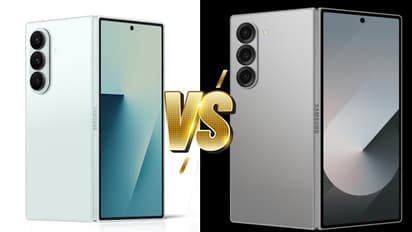
Although the Samsung Galaxy Fold 7 and Fold 6 may appear to be virtually identical at first glance, the Fold 7 is obviously superior in terms of design. Samsung has made significant progress in reducing the device's thickness; when folded, it is now only 8.9 mm thick, as opposed to 12.1 mm for the Fold 6.
It is now the lightest and slimmest Galaxy Fold ever, weighing only 215 grammes instead of 239 grammes. For a foldable, it is even lighter than the Galaxy S25 Ultra and even the iPhone 16 Pro Max.
Samsung has placed Gorilla Glass Armour on the front, which reduces glare and improves vision outside, and the new Blue Shadow hue looks gorgeous (though it could remind you of the blue S24 shade). But there is one trade-off — Samsung has removed the digitiser layer, which means there’s no S Pen support this year.
Samsung Galaxy Z Fold 7 vs Samsung Galaxy Z Fold 6: Display
Additionally, Samsung has improved the displays in a few practical ways. When closed, the Galaxy Z Fold 7's 6.5-inch outer display with a correct 21:9 aspect ratio feels more like a typical smartphone. The 6.3-inch, smaller 22.1:9 outer screen of the Fold 6 seemed a little small for typing on.
Samsung Galaxy Z Fold 7 vs Samsung Galaxy Z Fold 6: Processor
The Snapdragon 8 Elite for Galaxy, which drives the Galaxy Z Fold 7, is expected to significantly improve performance over the Snapdragon 8 Gen 3 that powers the Fold 6. Additionally, it's the first Galaxy Fold with a 16GB RAM option that comes with a 1TB storage capacity. Additional choices include 256GB or 512GB of storage and 12GB of RAM.
Samsung Galaxy Z Fold 7 vs Samsung Galaxy Z Fold 6: Camera
The primary camera is actually the largest jump. The 200-megapixel sensor from the Galaxy S25 Ultra is currently used in the Galaxy Z Fold 7. That is a substantial improvement over the 50-megapixel primary camera on the Fold 6, and it should result in far better low-light performance and detail. Both variants have the same 10-megapixel telephoto and 12-megapixel ultra-wide cameras.
A 10-megapixel hole-punch camera has finally taken the place of the inner under-display selfie camera, which is a good change that should improve the quality of both selfies and video calls. As previously, the external selfie camera is still a 10-megapixel camera.
Samsung Galaxy Z Fold 7 vs Samsung Galaxy Z Fold 6: Battery
With 25W wired and 15W wireless charging, the Galaxy Z Fold 7's 4,400mAh battery doesn't change. Although there isn't yet a sophisticated battery technology like a silicon-carbon cell, Samsung's software improvements have often guaranteed dependable, all-day durability. Maintaining the same battery capacity is actually very amazing, especially considering how much lighter and smaller the phone has become.