T20 World Cup: Why India vs Pakistan Clash Matters for ICC? Economics Behind Marquee Fixture
Synopsis
The India vs Pakistan T20 World Cup match is uncertain as PCB weighs a boycott amid government pressure. Talks with the ICC and other boards reflect high stakes, with potential financial losses reaching hundreds of millions if the game is still axed
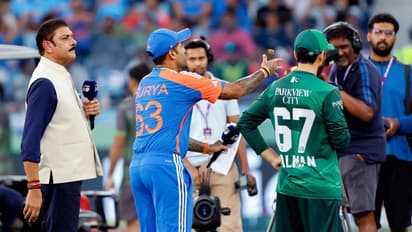
The marquee clash of the T20 World Cup 2026 between India and Pakistan is still hanging in the balance as the uncertainty looms over the much-anticipated fixture at the R Premadasa Stadium in Colombo, with the Pakistan Cricket Board (PCB) yet to take a call on its stance of boycotting the match.
On Sunday, the ICC delegation, led by Deputy Chairman Imran Khawaja, met PCB chief Mohsin Naqvi and Bangladesh Cricket Board (BCB) chairman Animul Islam at the Gaddafi Stadium in Lahore, discuss Pakistan’s stance on the Team India clash at the T20 World Cup 2026 and explore a possible resolution to the boycott row.
The meeting took place just a few days after Pakistan Prime Minister Shehbaz Sharif, addressing the Federal Cabinet meeting, confirmed that the national team will not play Team India in the T20 World Cup 2026, describing it as a ‘field of play’ rather than politics, and extended its support to Bangladesh, who were removed from the tournament following its refusal to play matches in India due to ‘security reasons’, the claims were denied by the ICC.
Pakistan’s Political Stance Set for ‘U-Turn’
The Pakistan Cricket Board (PCB) has been quite adamant on its stance of boycotting the Team India clash, as per the directive by the Shehbaz Sharif-led government. However, Pakistan is reportedly under pressure to revoke the boycott call after the Emirates Cricket Board (ECB) stepped in for a resolution.
In a letter to PCB, UAE cricket has urged the board to rethink its boycott call against Team India. Emirates Cricket Board reportedly reminded the PCB of the support it extended when Pakistan needed a neutral venue to host international cricket, while also warning of financial and commercial losses that all stakeholders could incur if the marquee India–Pakistan clash does not take place.
The pressure from the ECB came after the PCB reportedly placed three demands in front of the ICC to step down from the boycott, which included an increase in ICC share of revenue, India shaking hands with Pakistan players, and facilitating the resumption of bilateral series between India and Pakistan.
This highlights the complex interplay of politics, economics, and cricket diplomacy that could determine twhether he marquee clash of the T20 World Cup 2026 will go ahead or not. The Sri Lanka Cricket (SLC) also written to the PCB to rethink its India clash boycott stance, citing financial losses and the impact on tourism and the broader economy, warning that not playing could result in significant losses for the SLC board.
Understanding the Economics Behind the IND vs PAK Clash
The clash between India and Pakistan is the biggest revenue generator not only for the Board of Control for Cricket in India (BCCI) and the Pakistan Cricket Board (PCB), but also for the International Cricket Council (ICC), as it’s historically the single largest revenue driver in ICC events, with each India-Pakistan reported to estimate between $250 million and $500 million (INR 2,200–INR 4,500 crore).
The revenue comes through advertising, sponsorships, broadcasting rights, and ticket sales, making it one of the commercial fixtures in world cricket. If the cancellation of the marquee fixture goes ahead, it could significantly hit broadcasters, ICC revenue pools and tournament economics hard. The projected revenue generation between INR 2,200 and INR 4,500 crore showcases the enormous financial stakes involved.
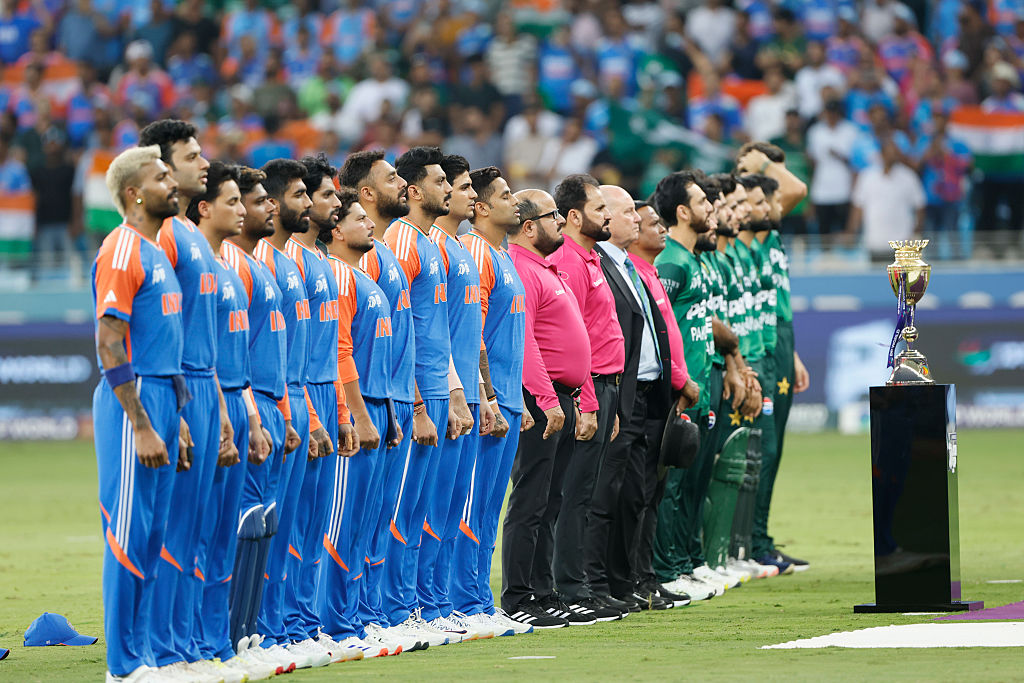
In the Asia Cup 2025 last year, three clashes between India and Pakistan, group stage, Super 4 matches, and the final, have reportedly helped the tournament between INR 700 and 800 crore in commercial revenue from full inventory sell-outs, with ad sales, sponsorships, and broadcasting deals boosted by the high demand for India-Pakistan fixtures. This highlights the huge commercial impact of India-Pakistan clashes, crucial for ICC and broadcasters.
Since it’s the T20 World Cup 2026, which is expected to attract global viewership, sponsorship, and media attention, the India-Pakistan clash could further amplify the revenue streams, boost tournament valuations, and play a decisive role in the financial success of the event for the ICC, BCCI, PCB, and broadcasters worldwide.
Record Advertising Rates for Marquee Fixture
The matches between India and Pakistan are advertising for gold for broadcasters and sponsors, as they generate a massive revenue due to unprecedented viewership. It was reported that the marquee fixture of the T20 World Cup 2026 can alone generate INR 300 crore in advertising revenue, as the 10-second slot commands record rates between INR 25 and INR 60 lakh, almost three times higher than any group-stage fixture of the tournament.
In the Asia Cup 2025, the 10-second ad spots for the group stage and Super 4 matches between India and Pakistan were priced between INR 14 and INR 16 lakh and spiked up to INR 25 lakh in the final, highlighting the commercial value for India-Pakistan fixtures and why broadcasters prioritise these matches over all others.

If the T20 World Cup match between India and Pakistan gets cancelled, the financial repercussions would be enormous, with broadcasters and sponsorships losing hundreds of crores. The JioStar, the official broadcast partner, is expected to be affected by the boycott of the clash, as they are likely to suffer financial losses between INR 200 crore and 250 crore, primarily from unsold ad slots and reduced sponsor engagement.
Moreover, the boycott of the marquee fixture between India and Pakistan could trigger contractual rebates or renegotiations for their $3 billion multi-year deal, which was signed with the ICC in 2024. Since the cancellation of the match is expected to affect Jio Star, the advertisers and sponsors may demand refunds or discounts on their media buys, leading to further financial strains on the broadcasters of the tournament.
How will the Cancellation of the IND vs PAK Match Affect ICC?
Apart from the financial losses through advertising, sponsorships, and broadcasting rights, the cancellation of India-Pakistan would also dent the ICC’s revenue, viewership, and fan engagement. Since India and Pakistan are clubbed in the same group for all ICC tournaments, missing this marquee fixture could lower the tournament viewership, reduce fan engagement, and weaken commercial appeal for other fixtures.
If the clash between India and Pakistan does not take place at the R Premadasa Stadium in Colombo, there will be no sales of tickets for the stadium, resulting in lost match-day revenue and overall low attendance figures, further impacting the commercial and financial success of the T20 World Cup 2026.
This will indirectly impact the International Cricket Council (ICC), as the absence of the most important match of the T20 World Cup 2026 could weaken the tournament’s global reach and commercial influence. It was reported that the ICC could lose between $24 million and $50 million (INR 218 crore and 450 crore) in direct tournament-level earnings.
Apart from the ICC, the BCCI could reportedly suffer a financial loss of INR 200 crore in direct and indirect revenue, while PCB will not receive the $34.5 million share of venue from the world governing body of cricket, as it would be used to compensate the broadcasters for their loss if the clash gets boycotted.