LDF to UDF Power Shift in Kerala: How & What Will the UDF's First Policy Be to Reshape Administration?
Synopsis
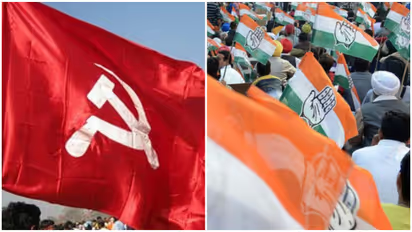
With UDF leading comfortably as counting gathers pace in Kerala assembly election results, around 99 seats to the LDF's 35 in early trends, the focus now shifts to its first policy moves. Education reform, job creation and technology-led governance are expected to be top priorities as it prepares to return to power after a decade.
Kerala appears to be on the cusp of a significant political transition. Early counting trends from the 2026 Assembly elections indicate that the Congress-led United Democratic Front (UDF) has surged past the majority mark, positioning itself to end the decade-long rule of the Left Democratic Front (LDF) under Chief Minister Pinarayi Vijayan. If these trends hold, the shift will not merely be electoral, it will represent a structural reset in governance philosophy, administrative design and policy priorities.
This is not just a routine alternation of power, something Kerala is historically known for. The scale of the UDF's lead suggests a deeper voter sentiment, one that combines anti-incumbency, demand for administrative efficiency and a desire for institutional reform.

The immediate question now is not just how this shift happened, but what comes next, particularly, what the UDF's first policy moves will look like as it attempts to reshape governance.
Why the LDF Lost Its Edge
The LDF entered this election attempting something rare in Kerala politics, a third consecutive term. Its campaign leaned heavily on continuity, welfare expansion and claims of strong performance in healthcare, education and social security. Leaders like MA Baby emphasised achievements such as poverty reduction and improvements in human development indicators. However, several structural and political factors appear to have worked against the ruling front:
1. Accumulated Anti-Incumbency
Ten years in power created governance fatigue. Even strong welfare delivery models tend to face diminishing political returns over time. Voters often begin to scrutinize inefficiencies, delays and bureaucratic inertia more sharply.
2. Governance vs Delivery Gap
While the LDF projected large-scale achievements, the opposition successfully framed a narrative around delivery gaps, i. e. delays in services, bureaucratic complexity and concerns over fiscal management.
3. Allegations of Corruption and Nepotism
The UDF campaign amplified accusations related to corruption and favoritism. Even without legal conclusions, perception often plays a decisive role in electoral outcomes.
4. Minority Vote Consolidation
Kerala's electoral arithmetic often hinges on consolidated voting blocs. Early trends suggest that the UDF benefited from a stronger alignment among minority voters.
5. Campaign Messaging
Leaders like Rahul Gandhi and Shashi Tharoor positioned the election as a referendum on 'change vs continuity'. That framing appears to have resonated.
The UDF's Mandate: Not Just Victory, But Reset
Unlike previous electoral cycles where power alternated without major structural shifts, this mandate carries expectations of systemic reform. The UDF has not campaigned merely on welfare expansion, it has explicitly promised a governance reset.
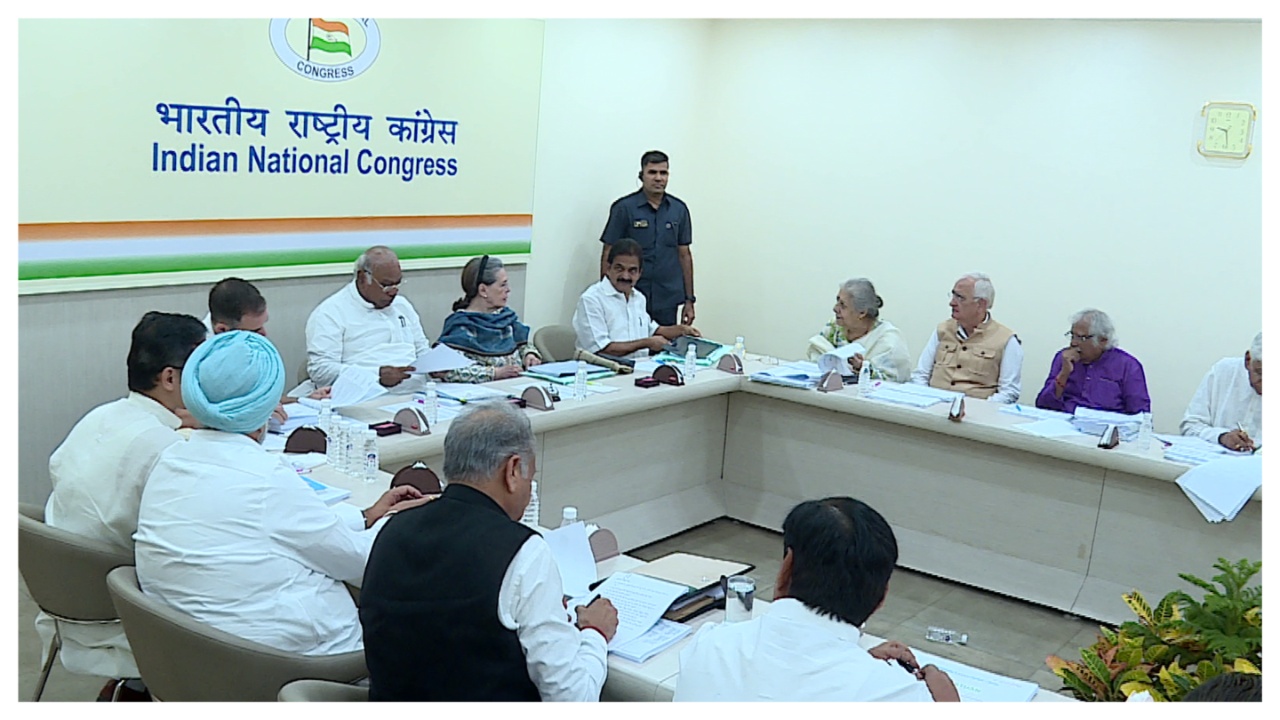
Shashi Tharoor described the moment as an opportunity for a 'new kind of politics'. That phrase is critical as it signals intent to move beyond incremental changes toward institutional redesign.
What Will Be the UDF's First Policy Priority?
Based on its manifesto, campaign messaging, and early signals, the UDF's first major policy intervention is likely to focus on administrative restructuring of higher education governance, a sector it has identified as both politically and structurally significant.
This is not accidental. Education sits at the intersection of youth aspirations, employment and institutional control, making it a high-impact starting point.
Core Components of the Likely First Policy
1. University Autonomy and Governance Reform
The UDF has proposed reducing political interference in universities by:
- Creating independent academic syndicates
- Rebalancing administrative authority away from partisan influence
- Reviewing and modernizing existing university laws
This marks a clear departure from the LDF’s more centralized, state-driven approach.
2. Independent Teacher Recruitment Commission
One of the most immediate reforms expected:
- Establish a transparent, independent body for faculty hiring
- Standardize recruitment processes
- Reduce allegations of favoritism and corruption
This move directly addresses one of the opposition’s key campaign issues.
3. Student Welfare Framework
The proposed 'Siddharthan Student Distress App' and anti-ragging legislation indicate a shift toward:
- Mental health support systems
- Institutional accountability on campuses
- Stronger regulatory oversight
4. Campus Democracy Reforms
The UDF plans to:
- Set up an independent Student Academic Election Commission
- Ensure fair student union elections
- Introduce structured opposition roles within campus bodies
This is a political as well as administrative reform, aimed at depoliticizing institutional control while preserving democratic participation.
Why Education Reform Comes First
The choice of higher education as the first reform sector is strategic for several reasons:
1. High Visibility, Immediate Impact
Changes in universities affect lakhs of students directly, creating quick political and social feedback loops.
2. Link to Employment
Kerala faces persistent challenges in job creation and youth migration. Aligning education with market needs is critical.
3. Institutional Signaling
Reforming universities sends a broader message: the government is serious about autonomy, transparency, and modernization.
The 'Job Watch Tower': A Structural Innovation
One of the most notable proposals is the creation of a Job Watch Tower, a permanent system to track labor market trends and align academic programs accordingly. This reflects a shift from:
- Degree-based education to Skill-based education
- Static curriculum to Dynamic, market-responsive curriculum
If implemented effectively, this could:
- Reduce educated unemployment
- Improve industry-academia alignment
- Enhance Kerala’s competitiveness in the knowledge economy
Technology and AI Integration
The UDF’s proposal to introduce:
- AI departments in colleges
- CAIR-Kerala (Centre for AI Research)
Data-driven education dashboards suggests that digital governance will be a key administrative pillar.
This aligns with global trends where governance increasingly relies on:
- Real-time data analytics
- Predictive policy modeling
- Outcome-based evaluation
Challenges Ahead for the UDF
While the mandate is strong, execution will not be straightforward.
1. Fiscal Constraints
Kerala’s financial position is tight. Balancing reform with fiscal discipline will be difficult.
2. Institutional Resistance
Administrative systems built over a decade do not change overnight. Resistance from within bureaucracy and institutions is likely.
3. Managing Expectations
A large victory raises public expectations. Delivering visible results quickly will be crucial.
4. Political Balancing
The UDF coalition includes multiple parties with different priorities. Maintaining cohesion while pushing reforms will require careful negotiation.
What Happens to LDF’s Legacy Policies?
The UDF is unlikely to dismantle major welfare schemes outright. Instead, the approach will likely be:
- Retain core welfare programs
- Improve delivery efficiency
- Reduce leakages
- Introduce accountability mechanisms
This reflects a pragmatic strategy rather than ideological reversal.
Early Signals from Leadership
Leaders like K. C. Venugopal and Ramesh Chennithala have emphasized unity and transition readiness. The celebratory tone at the party headquarters in Thiruvananthapuram reflects confidence—but also awareness of responsibility.
The Bigger Picture: A Structural Reset
This election is not just about who governs Kerala—it is about how Kerala will be governed in the next decade. The LDF model focused on:
- Welfare expansion
- Public sector strength
- Long-term social indicators
The UDF model is likely to emphasise:
- Institutional reform
- Administrative efficiency
- Market alignment
- Governance transparency
If the current trends translate into final results, Kerala is heading toward a decisive administrative transition. The UDF’s first policy moves, especially in higher education governance, will serve as a blueprint for its broader reform agenda.
The success of this transition will depend on execution. Electoral mandates create opportunity, but administrative outcomes depend on design, discipline, and delivery.
The coming months will determine whether this shift becomes a short-term political change, or a long-term structural transformation.
The BIG Question: Who will be the next Keralam CM?
As the Congress-led United Democratic Front (UDF) looks set to take power in Kerala, the big question now is: who will become the next Chief Minister?
Several names are being discussed within the party. Leader of Opposition V. D. Satheesan is seen as a strong contender. Senior leader Ramesh Chennithala is also in the race. He was the party’s chief ministerial face in the 2021 Assembly elections, when the Pinarayi Vijayan-led LDF returned to power.
However, the situation has become more interesting with the possible entry of K. C. Venugopal into the race. Known to be close to Rahul Gandhi, Venugopal is considered influential within the party. Many believe he has strong backing among newly elected MLAs, especially since candidate selections were largely handled by the central leadership.
Despite all the speculation, the Congress has not made any official announcement yet. Senior leader Tariq Anwar has made it clear that the final decision will be taken by the party’s high command, which will choose the most suitable person for the role.
Venugopal himself has avoided giving a clear answer. When asked about his chances, he said he does not want to be part of such discussions right now and that the focus should remain on the election results. He added that there is a proper process to follow and that everyone should wait until the counting is complete.
(With inputs from agencies)
Stay updated with the Breaking News Today and Latest News from across India and around the world. Get real-time updates, in-depth analysis, and comprehensive coverage of India News, World News, Indian Defence News, Kerala News, and Karnataka News. From politics to current affairs, follow every major story as it unfolds. Download the Asianet News Official App to stay informed anytime, anywhere.