PM Modi To Virtually Inaugurate India's Largest Underground LPG Storage Facility In Mangaluru
Synopsis
PM Modi will virtually inaugurate India's largest underground LPG storage facility in Mangaluru. The Rs 854-crore project, developed by MEIL for HPCL, has a reported storage capacity of 80,000 metric tonnes.
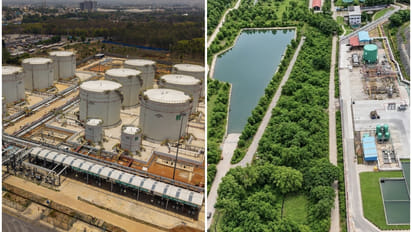
Prime Minister Narendra Modi is set to visit Karnataka on Friday, November 13, to participate in several events and inaugurate projects worth approximately Rs 15,600 crore in Bengaluru and Mysuru. One of the major highlights of his visit will be the inauguration of India's largest underground Liquefied Petroleum Gas (LPG) storage facility at Bala in Mangaluru. Built at an estimated cost of Rs 854 crore, the facility is designed to strengthen India's energy security, with a reported storage capacity of 80,000 metric tonnes.
Developed by Megha Engineering and Infrastructures Limited (MEIL) for Hindustan Petroleum Corporation Limited (HPCL), the underground storage project is expected to improve the country's ability to maintain uninterrupted LPG supplies and manage potential disruptions in fuel imports. Prime Minister Modi has also shared details of the project on social media ahead of the inauguration.
India's Largest Underground LPG Storage Facility In Mangaluru
Located at Bala in Mangaluru, the underground LPG storage facility has been developed by Megha Engineering and Infrastructures Limited (MEIL) for Hindustan Petroleum Corporation Limited (HPCL).
The project marks a significant development in India's petroleum infrastructure and energy security. As the country's second underground LPG storage cavern, the facility is expected to strengthen strategic fuel reserves and ensure a more reliable supply of LPG.
With a reported storage capacity of 80,000 metric tonnes, the Mangaluru facility is being positioned as India's largest underground cavern-based LPG storage facility. It is designed to store propane and butane, the two primary components of LPG.
The underground storage system is expected to help India meet its growing energy requirements while providing protection against potential disruptions in the global fuel supply chain.
Rs 854-Crore Mangaluru LPG Project Successfully Completes Testing
Constructed at a cost of approximately Rs 854 crore, the Mangaluru underground LPG storage project has successfully completed the required testing procedures and is now ready for inauguration.
On June 6, MEIL announced the successful completion of the project. Subsequently, on October 31, the company released a detailed video showcasing the facility following the completion of testing.
The project represents a major engineering achievement, involving extensive excavation and the construction of specialised underground storage infrastructure. Work on the facility began in 2019, with large caverns excavated within the rock formations to create a secure underground storage system.
Inside The Massive Underground LPG Storage Infrastructure
The underground LPG storage facility features an extensive network of tunnels, water curtains and storage caverns.
The infrastructure includes a 1,083-metre access tunnel, upper and lower water curtains measuring 578.2 metres and 804.31 metres, respectively, and 486.2 metres of connecting tunnels.
The two main storage caverns, identified as S1 and S2, are located at depths of approximately 220 metres and 225 metres, respectively. The facility also has a vertical shaft extending 164.1 metres.
The underground engineering system has been designed to provide secure storage conditions for LPG. The water curtain arrangement forms an important part of the cavern infrastructure and helps maintain the necessary conditions for underground storage.
How Mangaluru LPG Storage Facility Will Strengthen India's Energy Security?
The new underground LPG storage facility is expected to play an important role in strengthening India's energy security and strategic fuel reserves.
India's dependence on LPG for household cooking and commercial purposes makes maintaining an uninterrupted supply particularly important. Large-scale underground storage facilities can help the country manage fluctuations in demand and respond to potential supply disruptions.
By expanding its storage infrastructure, India can improve its preparedness for international supply-chain challenges, import-related disruptions and fluctuations in global energy markets.
The Mangaluru facility will also complement the country's existing underground petroleum storage infrastructure and support the growing demand for cleaner cooking fuel.
Mangaluru Already Has Two Underground Oil Storage Facilities
Mangaluru is already an important centre for India's strategic petroleum storage infrastructure. The city has two operational underground oil storage facilities at Permude and Padur.
The Permude facility has a storage capacity of 1.5 lakh metric tonnes, while the Padur facility can store 2.5 lakh metric tonnes.
India also has an underground LPG storage facility in Visakhapatnam, with a reported capacity of 60,000 tonnes. The new Mangaluru project, with its stated capacity of 80,000 metric tonnes, is expected to become the country's largest underground cavern-based LPG storage facility.
With the addition of this project, Mangaluru will further strengthen its position as an important hub for India's petroleum storage and energy infrastructure.
The inauguration of the facility by Prime Minister Narendra Modi is expected to mark another significant step towards strengthening India's energy security and expanding its strategic fuel storage capacity.
Stay updated with the Breaking News Today and Latest News from across India and around the world. Get real-time updates, in-depth analysis, and comprehensive coverage of India News, World News, Indian Defence News, Kerala News, and Karnataka News. From politics to current affairs, follow every major story as it unfolds. Download the Asianet News Official App from the Android Play Store and iPhone App Store for accurate and timely news updates anytime, anywhere.