Countries Least Responsible For Climate Change Could Remain Among Worst Hit Even After Net Zero

Synopsis
New climate research suggests some of the world's most vulnerable regions may continue facing disproportionate warming long after global emissions reach net zero, raising fresh questions about climate equity and resilience.
The countries that have contributed the least to global warming could remain among the most affected by rising temperatures even after the world achieves net-zero emissions, according to new research examining the long-term impacts of climate change.
The study, published in the journal Environmental Research Letters, found that tropical regions are likely to experience the lingering effects of warming far longer than many higher-latitude regions, including wealthier nations in Europe and North America.
Researchers analyzed climate model projections alongside economic data and concluded that reaching net zero would not automatically eliminate existing climate inequalities. Instead, temperature differences between richer and poorer parts of the world could persist for decades, even after greenhouse gas emissions are brought into balance.
The findings highlight a growing concern within climate science: the regions that have contributed the least to global emissions often face the greatest exposure to climate-related impacts.
According to the research, tropical countries have already experienced stronger warming relative to their historical climate conditions. Those changes have affected ecosystems, water systems, agriculture and communities that are often less equipped to adapt to rapid environmental shifts.
Scientists said the long-term outlook depends heavily on how much greenhouse gas is emitted before global net-zero targets are achieved. The more carbon released into the atmosphere before reaching that point, the longer its effects are expected to remain.
Researchers noted that carbon dioxide continues influencing global temperatures for centuries, meaning many consequences of current emissions cannot be quickly reversed.
Tropical Regions Could Face Longer Recovery
The study examined multiple climate-model scenarios to understand how temperatures may evolve after emissions reach net zero.
Results suggested that existing warming inequalities remain largely unchanged under many future scenarios. In other words, regions currently experiencing some of the strongest climate impacts may continue doing so even if the world succeeds in dramatically reducing emissions.
Scientists emphasized that achieving net zero sooner would reduce long-term risks and help limit future inequalities.
The research also pointed to particular concerns for tropical ecosystems, many of which evolved within relatively narrow temperature ranges. Coral reefs and other sensitive environments may therefore remain vulnerable for extended periods even as global climate action accelerates.
The implications stretch beyond ecology.
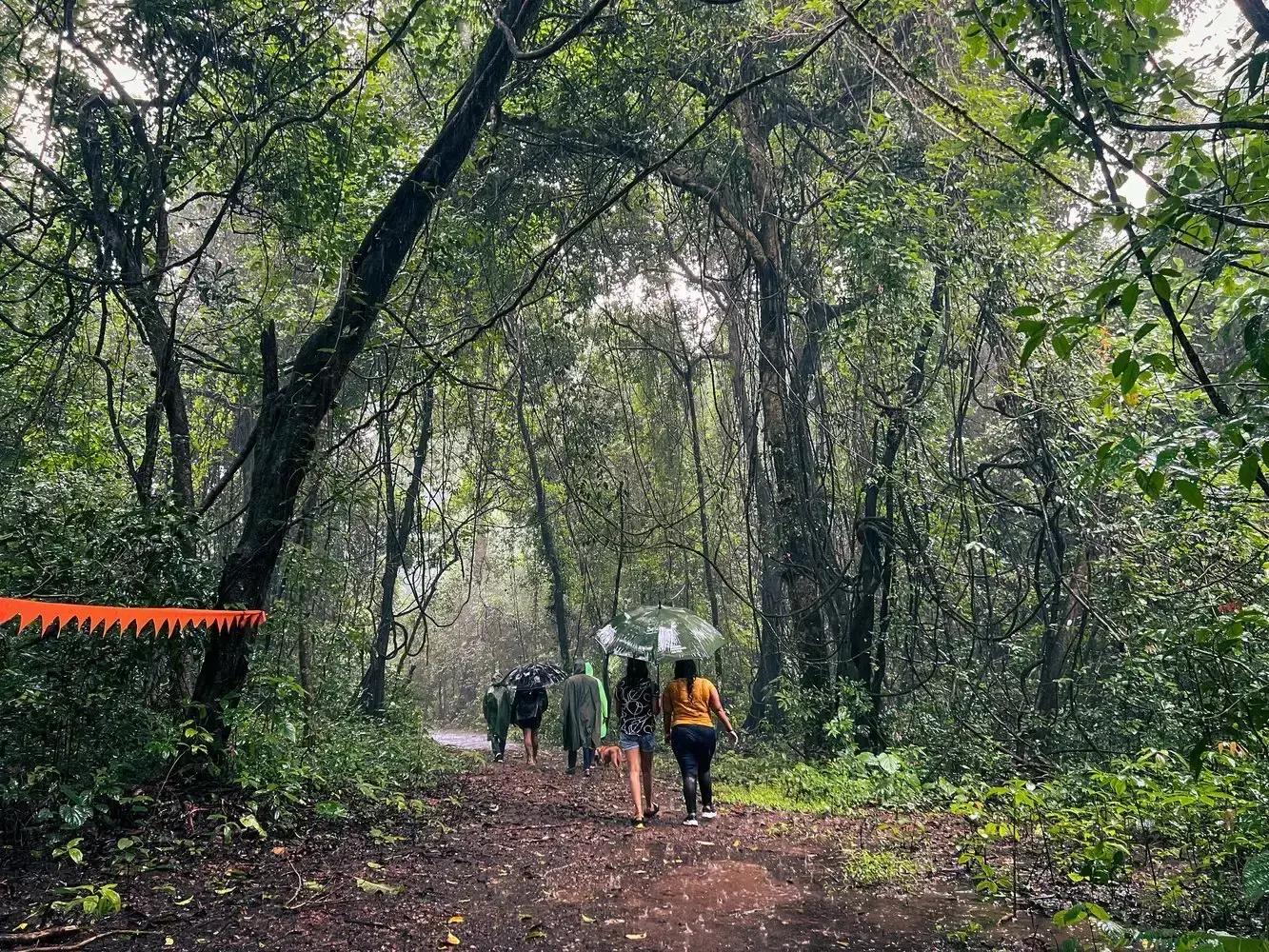
Many tropical countries are also among the world's lower-income nations, meaning climate impacts often intersect with development challenges, food security concerns and economic vulnerability.
As a result, the study raises broader questions about climate justice and how adaptation resources are distributed globally.
Researchers argued that reducing emissions alone may not be sufficient. Additional efforts focused on adaptation, resilience and support for vulnerable regions are likely to remain important long after net-zero goals are achieved.
Climate Risks Linked To Displacement And Statelessness
The research coincides with a separate report examining how climate-related disruptions could increase the risk of statelessness and displacement.
According to that report, rising sea levels, flooding, extreme weather events and other climate pressures could place additional strain on populations already facing vulnerability.
Particular concern has been expressed for low-lying island nations and communities exposed to repeated climate-related disasters.
The study noted that climate emergencies can contribute to displacement and complicate access to identity documentation, citizenship records and legal protections.
Researchers recommended stronger efforts to protect citizenship rights, improve record-keeping systems and ensure vulnerable populations maintain access to legal recognition following major disasters.
Special attention was also directed toward children separated from families during emergencies, as well as communities living in regions facing repeated environmental threats.
Together, the findings reinforce a broader message emerging from climate research: the consequences of global warming are not distributed evenly.
While nations continue pursuing net-zero goals, the evidence suggests that some of the world's poorest regions will continue carrying a disproportionate share of climate risks for many years.