Climate Change May Dramatically Increase Malaria Risk, New Global Study Warns
Synopsis
A new study reveals how climate change could expand malaria mosquito habitats, putting millions at risk. Discover which regions are most vulnerable and why urgent action is key.
Malaria is one of the deadliest infectious diseases globally. Each year, around 6,00,000 people lose their lives to malaria, a disease spread by mosquitoes. Most of these deaths happen in sub-Saharan Africa, where children are particularly at risk.
A new study from the University of Copenhagen, published in the journal Global Change Biology, suggests that climate change may create more favourable conditions for malaria-carrying mosquitoes, putting millions more people at risk.
Tiem van der Deure, a PhD student at the University of Copenhagen, explains that the lower figure assumes no major population growth, while the higher number takes into account a significant increase in people living in vulnerable areas. If malaria spreads to new regions, the effects could be severe, as communities there have little experience with the disease and low immunity.
Not All Mosquitoes Are the Same
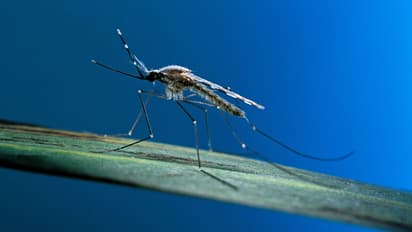
Although mosquitoes may appear similar, they differ in behaviour and where they thrive. For a long time, researchers have studied how climate change affects malaria in Africa, but the situation is complex. This study examined six of the most common mosquito species that carry malaria and predicted how climate change might affect their populations.
The team used thousands of mosquito observations to train computer models. These models then predicted where each species could live now and in the future under various climate conditions. The results were concerning.
Of the six species studied, three are expected to expand their range, while the other three are unlikely to decrease. Mosquito habitats are projected to grow mainly in East and Central Africa, while West Africa will remain a suitable environment for these species.
Action Can Make a Difference
Despite the alarming findings, the researchers emphasize that action can help reduce the impact. Van der Deure says their climate models show that limiting climate change can prevent much of this expansion. The study compared a scenario of “business as usual” with one where the world meets the targets of the Paris Agreement to limit global warming.
Professor David Nogués Bravo, a co-author from the University of Copenhagen adds, “This study is a stark reminder that failing to meet the Paris Agreement targets is not just about rising seas or extreme weather—it's also a public health crisis in the making.”
Northern Europe Remains Safe
The study also notes that while global warming will affect many regions, Northern Europe is unlikely to see malaria outbreaks in the near future. Denmark has malaria-carrying mosquitoes, and the disease was present in the past, even during colder periods. However, it is still too cold for the malaria parasite to survive and spread.
Associate Professor Anna-Sofie Stensgaard from the Department of Veterinary and Animal Sciences at the University of Copenhagen and senior author of the study, says climate change alone does not explain the spread of disease. Globalisation, international trade, and land use changes are also important factors.
The Bigger Picture
Malaria is already one of the deadliest diseases in the world, and climate change could make it even more dangerous by giving mosquitoes more places to thrive. Millions of people could face a higher risk if the world fails to limit global warming. The study shows that protecting people from climate change is not just about the environment, it’s also about preventing the spread of deadly diseases.