Why LPG Was Hit First In Iran War: Hormuz Crisis Exposes India’s Energy Vulnerability
Synopsis
Conflict in West Asia is disrupting energy supplies through the Strait of Hormuz, impacting India's Liquefied Petroleum Gas (LPG) availability. High dependence on direct LPG imports and limited storage capacity make India's cooking gas supply vulnerable, unlike petrol and diesel.
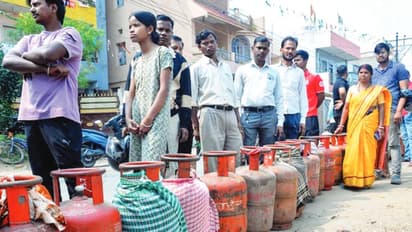
The escalating conflict in West Asia has triggered a major disruption in global energy supply chains, with India experiencing early pressure on liquefied petroleum gas (LPG) availability. The crisis intensified after military tensions involving Iran affected shipping through the strategic Strait of Hormuz, one of the world’s most critical maritime chokepoints for oil and gas transportation. As uncertainty grew, long queues for cooking gas cylinders began appearing in several Indian cities, even as authorities maintained that domestic supply remained stable.
Experts say LPG supplies have been affected more quickly than petrol or diesel because India’s dependence on imported cooking gas is significantly higher. A large share of LPG used in Indian households is sourced from Gulf countries, making it particularly vulnerable to disruptions in maritime traffic through Hormuz. With tanker movement slowing sharply amid security concerns and insurance risks, LPG shipments declined, creating anxiety among consumers and forcing the government to take precautionary measures.
Unlike petrol and diesel, which are largely refined domestically from imported crude oil, LPG relies heavily on direct imports of processed fuel. This difference in supply chains has played a crucial role in shaping the impact of the crisis. India has diversified crude oil sourcing in recent years, increasing purchases from countries that do not depend on Hormuz transit routes. As a result, refinery operations continue largely unaffected, helping maintain stable petrol and diesel availability even during geopolitical disruptions.
Another key factor is storage capacity. India maintains strategic petroleum reserves to cushion potential disruptions in crude supply, allowing refiners to continue producing transport fuels in the short term. LPG storage infrastructure, however, is comparatively limited and designed for continuous supply cycles rather than long-term stockpiling. This structural vulnerability means any interruption in imports can translate quickly into supply pressure at the consumer level.
Demand dynamics have also amplified the impact. Over the past decade, government welfare initiatives expanded access to cooking gas connections, dramatically increasing LPG consumption across rural and urban India. While this shift has improved public health and reduced reliance on biomass fuels, it has also deepened dependence on consistent international supply flows. As imports slowed during the Hormuz crisis, the gap between demand and available stock became more visible.
The government has responded with a range of emergency measures to manage the situation and prevent panic. Authorities urged households to avoid hoarding and encouraged those with access to piped natural gas to temporarily switch away from LPG cylinders. At the same time, oil marketing companies were instructed to prioritise supply for domestic consumers, hospitals and educational institutions while reducing allocation to commercial sectors such as restaurants and hotels.
Industry stakeholders note that limited storage capacity remains a key vulnerability. With only enough reserves to sustain consumption for a short period, the country’s energy security depends heavily on uninterrupted shipping lanes. Disruptions to tanker routes have already resulted in declining LPG arrivals and increased price volatility in global markets, prompting companies to explore alternative sourcing options at higher costs.
Meanwhile, geopolitical uncertainty continues to shape the outlook for global energy trade. The Strait of Hormuz handles a significant share of the world’s oil and gas shipments, and any prolonged restrictions could trigger broader supply shocks affecting not just India but multiple importing nations. Analysts warn that sustained tensions may lead to rising freight charges, insurance premiums and fuel prices, potentially contributing to inflationary pressures and economic uncertainty.
The situation has also highlighted the importance of diversifying energy sources and strengthening domestic resilience. Policymakers are exploring options such as increasing local production, expanding storage infrastructure and securing alternative import routes to reduce exposure to geopolitical risks. In parallel, investments in renewable energy and cleaner fuels are seen as long-term solutions that could gradually lower dependence on volatile international markets.
For consumers, the immediate impact has been psychological as much as logistical. Reports of shortages triggered panic buying in some regions, creating temporary distribution challenges despite official assurances that supplies were adequate. The episode underscores how quickly global conflicts can influence everyday life in energy-dependent economies, particularly when essential household fuels are involved.
The Hormuz crisis ultimately illustrates a broader lesson about energy security in an interconnected world. While India’s refining capacity and diversified crude sourcing have helped shield petrol and diesel markets from immediate disruption, the LPG sector remains more exposed to geopolitical shocks. Addressing this imbalance will require coordinated policy action, technological upgrades and strategic investments aimed at building a more resilient supply system.
As tensions in West Asia evolve, markets and policymakers will continue to monitor developments closely. The ability to maintain stable energy supplies during periods of conflict will be critical not only for economic stability but also for public confidence. The current disruption serves as a reminder that global political events can swiftly reshape domestic priorities, placing energy planning at the centre of national security considerations.
Stay updated with the Breaking News Today and Latest News from across India and around the world. Get real-time updates, in-depth analysis, and comprehensive coverage of India News, World News, Indian Defence News, Kerala News, and Karnataka News. From politics to current affairs, follow every major story as it unfolds. IMD cities weather forecastsRain Cyclone Asianet News Official App