Landmark judgement: Baghpat court rules in favour of Hindus in 53-year-old 'Mahabharat' site lawsuit
Synopsis
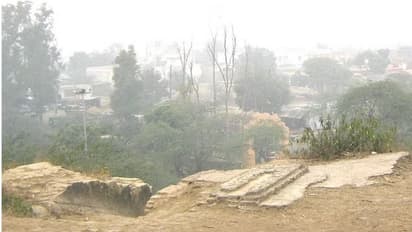
Located on an ancient mound near the confluence of the Hindon and Krishni rivers in Barnawa village of Baghpat district, there has been a longstanding dispute over the site. This site encompasses a tomb of the Sufi saint Badruddin Shah as well as a graveyard.
A local court in Baghpat, Uttar Pradesh, reached a verdict in the Lakshgriha-Mazar dispute on Monday, ruling in favor of the Hindu party. After a legal battle spanning 53 years, the court granted ownership rights to 100 bighas of land and the tomb to the Hindu faction. The court recognized the ancient mound as Lakshagriha (Lakhamandap), as mentioned in the Mahabharata, supporting the claims of respondent Krishna Dutt Ji Maharaj. This decision dismissed the assertions of a Dargah and cemetery made by the Muslim side.
In response to the court's ruling, heightened security measures have been implemented at Lakshagriha, with the police on high alert.
Situated atop an ancient hill near the confluence of the Hindon and Krishni rivers in Barnawa village, Baghpat district, the site has long been embroiled in controversy. Initially housing the tomb of the Sufi saint Badruddin Shah and a graveyard, it is now a protected area under the Archaeological Survey of India (ASI).
The legal dispute traces back to 1970 when Mukim Khan, then the 'mutwalli' (caretaker) of the graveyard, initiated legal proceedings. His objective was to establish ownership of the land and seek legal protection against Hindu encroachment, prevent desecration of graves, and halt 'havan' ceremonies conducted on the premises.
Krishnadutt Maharaj, a local Hindu priest, was named as a defendant in the case. The Hindu community contended that the site held historical significance as the reputed location of the 'lakshagriha'—a palace made of lac, allegedly constructed by Duryodhana to ensnare and eliminate the Pandavas.
Ranveer Singh Tomar, lawyer representing the Hindu side, said, “The 32-page court order has found glaring loopholes in the plaintiff’s claims on the property. For instance, the Muslim side claimed the Sufi saint's tomb was 600 years old and after his death, a graveyard also came up which was made the waqf property by the ‘Shah’ of that time, but it could not provide the ruler's name. In fact, there is no mention of the graveyard in govt records".
The court also took cognisance of the Official Gazette dated Dec 12, 1920, which was produced by defendants, in which the ASI had noted, “A little mound to the south of the town called 'Lakha Mandap' is supposed to be the scene of attempt to burn the Pandavas, situated Barnawa, 19 miles NW from Meerut in Sardhana tehsil".
Additionally, the court noted that the Muslim side failed to establish whether the disputed site was designated as a waqf property or a graveyard in 1920.
Stay updated with the Breaking News Today and Latest News from across India and around the world. Get real-time updates, in-depth analysis, and comprehensive coverage of India News, World News, Indian Defence News, Kerala News, and Karnataka News. From politics to current affairs, follow every major story as it unfolds. IMD cities weather forecastsRain Cyclone Asianet News Official App