Govt to boost emergency, trauma care capacity by 50% in hospitals
Synopsis
A post-budget webinar discussed the government's plan to boost emergency and trauma care capacity in District Hospitals by 50%. The initiative, part of the Union Budget, aims to aid poor families facing unexpected health expenses.
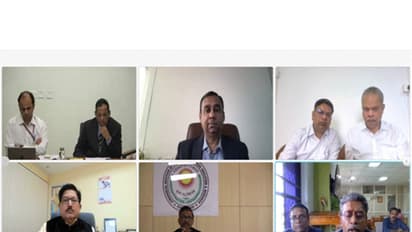
As part of the Post-Budget Webinar series on the theme "Sabka Saath Sabka Vikas - Fulfilling Aspirations of People", a breakout session was held on the Budget Announcement under Para 88: "Strengthening of Emergency & Trauma Care Centres".
In the Union Budget 2026-27, the Government announced a major initiative to strengthen emergency healthcare services across the country. As highlighted in Para 88 of the Budget, emergencies often expose families, particularly the poor and vulnerable, to unexpected health expenditure. To address this challenge, the Government has proposed to strengthen and increase emergency and trauma care capacities by 50 per cent in District Hospitals by establishing Emergency & Trauma Care Centres.
The Critical Need for Emergency Care
The session brought together policymakers, public health experts, clinicians, administrators, and representatives from State Governments and other stakeholders to deliberate on strategies for strengthening emergency and trauma care systems and ensuring effective implementation of the Budget announcement. India faces a significant burden of emergency medical conditions, including road traffic injuries, heart attacks, strokes, poisonings, burns, snake bites, etc., which require timely intervention within the "golden hour" to prevent deaths and long-term disability. Experts noted that emergency cases account for a substantial proportion of hospital visits and admissions, while emergency beds constitute only a small share of total hospital bed capacity in many district hospitals, highlighting the need for strengthening emergency care infrastructure and systems.
Strategies for Strengthening Emergency Systems
The discussion also highlighted the role of implementation research and data-driven approaches in identifying gaps and improving emergency care systems at the district level.
Pre-hospital Response and Integration
During the session, discussions focused on strengthening pre-hospital emergency response systems, integration of the 112 Emergency Response Support System (ERSS) with ambulance services and hospitals to ensure timely response and effective patient management. Participants also emphasised the need for better coordination among emergency services and for strengthening the operational capacities of emergency response systems.
Infrastructure and Facility Readiness
Panellists also deliberated on the need to strengthen infrastructure at district hospitals by transforming existing casualty wards into fully functional Emergency Care Departments with triage areas, resuscitation facilities, ambulance bays, diagnostics, and emergency operation theatres. Rapid construction of Emergency & Trauma Care Centres and procurement of essential equipment were also discussed. The importance of improving facility readiness and strengthening clinical governance to ensure quality emergency care services was also highlighted.
Capacity Building and Workforce Development
The discussions further highlighted the importance of capacity building and workforce development through structured training programmes for doctors, nurses, and paramedics. Expansion of MD and DNB courses in Emergency Medicine, establishment of a dedicated Emergency Medical Officer cadre, and skill-based training initiatives were discussed to build a sustainable emergency care workforce.
Digital Integration and Data-Driven Policy
The webinar also emphasised the importance of digital integration and data systems, including the development of State Trauma Registries and their integration with the National Trauma Registry, as well as improved use of digital platforms for monitoring trauma cases and strengthening evidence-based policy decisions. Participants also discussed the growing role of digital technologies and real-time monitoring systems in improving emergency response and patient care. The session also highlighted state-level innovations in emergency medical transport systems and the potential of data-driven planning to optimise ambulance deployment and reduce response times.
Concluding Remarks and Way Forward
Through these deliberations, the session aimed to identify actionable recommendations for strengthening emergency and trauma care infrastructure, improving pre-hospital and hospital-based response systems, and enhancing access to timely and quality emergency healthcare services across the country. The insights and recommendations emerging from the discussions will contribute to shaping the implementation roadmap for strengthening Emergency & Trauma Care Centres in District Hospitals, in line with the Union Budget announcement.
The session was moderated by VK Paul, a member of NITI Aayog and deliberated by the other 18 panellists. The session was attended by a large number of participants through webinar mode and through YouTube Live.
In his concluding remarks, Paul emphasised that strengthening emergency and trauma care at the district level requires a systematic and outcome-oriented approach that goes beyond infrastructure to focus on performance and service delivery. He highlighted the importance of monitoring key indicators to improve response and treatment for time-sensitive emergencies. He also stressed the need for greater convergence across hospital systems, ambulance networks and government programmes, supported by digital technologies and real-time monitoring. Emphasising the critical role of human resources, he called for continued skilling and upskilling of emergency care personnel to build a strong and responsive emergency care system.
The webinar was attended by participants including Saurabh Jain, Joint Secretary, MoHFW; Kiran Gopal Vaska, Joint Secretary, NHA, MoHFW; Dr Pradeep Khasnobis, DM Cell, MoHFW; Prashant Lokhande, Joint Secretary, Ministry of Home Affairs (MHA); Arun Sobati, Director, MHA; Dr Rajan Khobragade, IAS, Additional Chief Secretary, Department of Health & Family Welfare, Government of Kerala; Saurabh Gaur, Secretary, Health, Medical & Family Welfare, Government of Andhra Pradesh; Dr Minu Bajpai, Executive Director, National Board of Examinations in Medical Sciences (NBEMS); Dr Atul Kotwal, Former Executive Director, National Health Systems Resource Centre (NHSRC); Ashish Jain, CEO, Skill Council, Health Sector; Dr Sanjeev Bhoi, Professor, Department of Emergency Medicine, AIIMS, New Delhi; Dr. Tej Prakash Sinha, Additional Professor (TC), AIIMS, New Delhi; Manu Ayyan, Associate Professor, Emergency Medicine, Jawaharlal Institute of Postgraduate Medical Education and Research (JIPMER), Puducherry; Dr. S. Vineeth, Project Director, Tamil Nadu Health System Project; and Dr Raman Rao, EMLC Head, GVK EMRI (Emergency Management and Research Institute). (ANI)
(Except for the headline, this story has not been edited by Asianet Newsable English staff and is published from a syndicated feed.)Stay updated with the Breaking News Today and Latest News from across India and around the world. Get real-time updates, in-depth analysis, and comprehensive coverage of India News, World News, Indian Defence News, Kerala News, and Karnataka News. From politics to current affairs, follow every major story as it unfolds. IMD cities weather forecastsRain Cyclone Asianet News Official App