Arunachal BJP backs Special Intensive Revision of electoral rolls
Synopsis
The Arunachal Pradesh BJP has backed the Special Intensive Revision (SIR) of electoral rolls amid opposition concerns. The party defended the move as a structured process to ensure accurate and updated voter lists and safeguard electoral integrity.
Amid concerns over illegal migration, opposition political parties raised questions about the Special Intensive Revision (SIR) of the electoral rolls; the Arunachal Pradesh BJP has backed the SIR in the state to ensure accurate and updated voter lists to safeguard the integrity of the electoral process.
BJP Defends Electoral Roll Revision
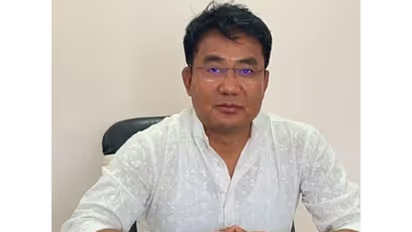
In an Extended District Executive Meeting held at Seppa in East Kameng district on Monday, Tadar Niglar, Arunachal Pradesh State General Secretary, Bharatiya Janata Party (BJP), advocated the Special Intensive Revision (SIR) of electoral rolls, stressing the importance of maintaining accurate and updated voter lists to safeguard the integrity of the electoral process.
Tadar Niglar highlighted that the Special Intensive Revision is conducted under the provisions of the Representation of the People Act, 1950. He noted that the first intensive revision took place during the period from 1952 to 1964 and that, according to the figures cited in his remarks, eight SIR exercises have been conducted to date, including the latest exercise initiated in 2025. Referring to the figures provided, he stated that approximately 13.30 crore names had been deleted from electoral rolls during the current exercise, comprising the following categories: 2.8 crore: Deceased voters, 6.3 crore: Voters who had shifted from temporary or workplace polling locations to their permanent addresses, 1 crore: Duplicate voter entries, 3 crore: Untraceable voters.
Understanding the SIR Process
He emphasised that electoral roll revision is a structured process and should not be misrepresented as an arbitrary exercise. Explaining the procedure, Tadar Niglar stated that political parties were asked to submit the names of their Booth Level Agents (BLA-1 and BLA-2) before the commencement of the SIR process. Training is subsequently provided to the BLAs in coordination with Booth Level Officers (BLOs) and election officials. "Following these preparatory steps, the enumeration notification is issued. The Election Commission of India communicates the enrolment process to voters and citizens, providing both offline and online modes for submitting enumeration forms. BLOs then verify the submitted information and conduct household visits, with up to three visits as described in the process. After verification, the draft electoral roll is published. Representatives of political parties are briefed before publication through the Chief Electoral Officer's office. Thereafter, political parties and voters are informed about the claims, objections and correction process through Forms 6, 7 and 8, as applicable. Hearings are conducted wherever required, and the final electoral roll is published after the prescribed procedures are completed. Further, he said that he knew this process because our party, BJP, conducted training for BLA1 and BLA2 of the party, and our bjp karyakarta family members were also going through this process," he said. Tadar Niglar maintained that these procedural safeguards demonstrate the importance of verification, transparency and opportunities for eligible voters to raise claims or objections before the final electoral roll is published.
Criticism of Opposition Protests
Criticising the protests led by the Cockroach Janata Party (CJP) and INDI alliance, including the Congress and the Aam Aadmi Party (AAP), Tadar Niglar described their disruptive actions as politically motivated. He strongly condemned the Opposition move and said that these parties were attempting to create political chaos and anarchy in India rather than engage constructively with the electoral revision process. He further asserted that their actions reflected frustration over their political prospects and accused them of seeking political advantage through street protests and disruption.
Raising a series of questions, Tadar Niglar asked the Opposition INDI Alliance: "Is it wrong to remove bogus or duplicate voter entries from electoral rolls? Is it wrong to verify the eligibility of voters whose particulars cannot be established through the prescribed verification process?" He maintained that the objective of electoral roll revision should be to ensure that every eligible Indian citizen is properly registered and that electoral rolls remain free from duplicate and ineligible entries, while protecting the rights of genuine voters.
Call for Public Awareness and Party Strengthening
Niglar reiterated his support for the SIR process and called upon party karyakartas to communicate its objectives and procedures to the public responsibly, helping citizens understand the importance of accurate electoral rolls and a transparent democratic process. He also emphasised the need to further strengthen the party organisation at the grassroots level, improve coordination among party workers and reinforce organisational activities throughout the district. (ANI)
Stay updated with the Breaking News Today and Latest News from across India and around the world. Get real-time updates, in-depth analysis, and comprehensive coverage of India News, World News, Indian Defence News, Kerala News, and Karnataka News. From politics to current affairs, follow every major story as it unfolds. IMD cities weather forecastsRain Cyclone Asianet News Official App