RBI Holds Repo Rate at 5.5%: Key Takeaways from August MPC Meet

Published : Aug 06, 2025, 10:42 AM IST

The six-member MPC, led by Governor Malhotra, voted unanimously to maintain the repo rate at 5.5%.

PREV
16
RBI Holds Repo Rate at 5.5%

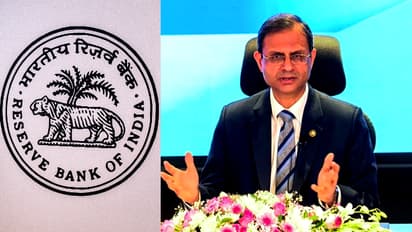
The Reserve Bank of India (RBI) on Wednesday (August 6) pressed pause on interest rates once again, choosing to hold the repo rate steady at 5.5% in its August Monetary Policy Committee (MPC) meeting. Governor Sanjay Malhotra made the announcement, reiterating that the policy stance would remain "neutral".

Here's a quick breakdown of what you need to know from the policy meeting:

26
1. No Change in Repo Rate or Policy Stance

The six-member MPC, led by Governor Malhotra, voted unanimously to maintain the repo rate at 5.5%. This comes after a surprise 50-basis-point rate cut in June, which caught markets off guard. For now, the RBI seems comfortable watching how things play out. Malhotra summed it up: “After a detailed assessment… the MPC voted unanimously to keep the policy repo rate unchanged.”

36
2. Inflation Is Cooling — And That’s Giving the RBI Breathing Room

Retail inflation is now at its lowest level in over six years. According to government data, the Consumer Price Index (CPI) inflation for June came in at just 2.10%, down significantly from May. Food inflation, often the most unpredictable component, has actually turned negative — prices in both rural and urban India are falling.

Wholesale inflation, too, has dipped into negative territory, thanks to lower prices for food items, oil, metals, and fuel. All of this has allowed the RBI to take a more relaxed approach to rate changes, at least for now.

46
3. Growth Outlook Remains Bright

Governor Malhotra was upbeat about the broader economic picture. “The monsoon season is progressing well, and the upcoming festival season usually increases economic activity,” he said. Combined with government support and the RBI’s own easing measures in June, the outlook, he believes, is “positive in the near term.”

56
4. A Good Monsoon Could Keep Food Prices in Check

Rainfall isn’t just about crops — it affects inflation, rural demand, and overall economic stability. The RBI is counting on a healthy monsoon to keep food prices stable, which in turn helps control overall inflation.

66
5. What’s Next? The RBI Is Staying Flexible

By holding the rate and keeping its stance neutral, the RBI is giving itself room to respond — in either direction — depending on how inflation and global headwinds evolve. The message is clear: there’s no rush, but the central bank remains watchful.

Read more Photos on

Recommended Stories