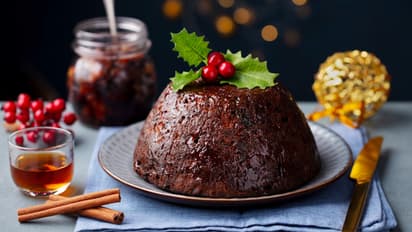
Sweet Science of Christmas Pudding: How Chemistry Makes the Classic Dessert Sing

Published : Dec 25, 2025, 10:29 AM IST

Discover the fascinating chemistry behind Christmas pudding — from alcohol-soaked fruits and spiced aromas to steaming, fat, and even flaming traditions that make this festive dessert magical.

PREV
17
Science Behind Christmas Pudding

For many, Christmas isn’t complete without the comforting aroma of a slow-steamed pudding rich with dried fruits, spices and brandy. For University of Tasmania's Lecturer in Synthetic Chemistry, Nathan Kilah, the festive season is also a reminder of the remarkable chemistry at work inside this traditional dessert.

“Christmas means different things to different people. For me, it’s an opportunity to eat celebratory foods that aren’t available all year round,” he wrote in The Conversation. His favourite? A glazed ham — closely followed by a “well-matured Christmas pudding with different dairy-rich trimmings.”

So what exactly happens when chemistry meets Christmas pudding?

27
Why Dried and Candied Fruits Taste So Complex

Christmas pudding is built on a foundation of dried fruits — raisins, currants, sultanas — and jewel-like candied peel. Drying fruit doesn’t just preserve it; it transforms it, notes Kilah.

According to him, many of the fresh fruit’s volatile flavour molecules are lost during drying, but new ones form through enzymatic browning, light exposure and reactions within the fruit’s own fats and pigments. The result? Deeper, richer, more complex flavours.

Candied (or glace) fruits undergo yet another transformation. Heated in sugar syrup, water inside the fruit is replaced by sugar, leaving them chewy, sweet — and remarkably shelf-stable. Sugar draws water away from microbes via osmosis, creating an inhospitable environment for spoilage.

Before baking, those dried fruits are often soaked in alcohol — sometimes for days or even weeks. This rehydrates the fruit, ensuring it doesn’t steal moisture from the batter, while the ethanol brings flavour and slows microbial growth. Brandy, rum or cognac isn’t just tradition — it’s clever chemistry.

37
Suet, Spices and the Structure of Pudding

Christmas pudding is not a cake — but it contains many cake-like ingredients. Flour absorbs moisture and creates texture, baking powder gives lift, and egg yolks supply lecithin, an emulsifier that helps bind fat and water together, as per Kilah.

Traditionalists swear by suet, the hard fat from beef loins and kidneys. Its unique composition binds to starch, “keeping the crumb moist and adding richness,” Kilah explains. Many modern puddings replace it with vegetable oils — but the chemistry of fat remains key to texture.

Then come the spices — each powered by distinctive aromatic compounds:

  • Cinnamon — cinnamaldehyde
  • Cloves and allspice — eugenol
  • Nutmeg — sabinene

Together they create the unmistakable festive flavour many associate with Christmas itself.

47
Why Steaming Works So Perfectly

Once the mixture is spooned into a basin and sealed, it is slowly steamed — and here, chemistry takes the lead.

Boiling water and steam hold a consistent temperature of about 100°C. That’s hot enough to:

  • gelatinise starches
  • denature egg proteins
  • activate baking powder

All without scorching the sugar or drying the pudding. The batter rises gently, setting into a dense but tender dome of fruit-studded richness.

After cooking, puddings often mature for weeks — even months. Some cooks “feed” them with extra alcohol to deepen flavour and discourage bacterial growth.

57
Setting the Pudding on Fire — Safely

One dramatic tradition involves pouring over warmed brandy and lighting the pudding. The result? A flickering blue halo of flame.

“The blue colour indicates a complete combustion, where all the ethanol is consumed. The orange flame we usually associate with fire is due to incomplete combustion, where carbon soot formed in the flame emits light due to being heated (this process is known as incandescence),” Kilah writes.

Near-invisible alcohol flames can be dangerous, he warns. If you must flame your pudding:

  • Warm the alcohol briefly
  • Avoid moving the dessert
  • Never drench it — more fuel is not better
67
Lucky Coins — and Unlucky Chemistry

In earlier decades, good-luck trinkets — even chicken wishbones — were slipped into puddings. But most famous were coins. As per Kilah, old Australian silver-copper coins handled the pudding well. But when decimalisation introduced copper-nickel alloys, researchers discovered the metal reacted — turning surrounding pudding green and adding an “unpleasant flavour.” Kilah notes that five- and ten-cent coins were only considered safe if added after cooking, and even then posed a choking risk.

Today, specially-made silver pudding coins are sold for tradition-lovers — but always warn your guests.

77
From “Plum Pudding” to Particle Theory

Kilah also fondly remembers learning about J.J. Thomson’s early-1900s “plum pudding” model of the atom, in which electrons were embedded in a positive sphere — like plums in pudding. While science has moved on, his affection for the dessert hasn’t faded.

“Modern chemistry has moved on from this model — but I have not moved on from puddings. I still love them.”

Whether you choose an old-fashioned pudding or a glossy pavlova, Christmas food is a celebration of science as much as tradition. From osmosis and protein denaturing to combustion and flavour chemistry, every bite tells a molecular story.

And as Kilah reminds us, understanding the chemistry only makes the season more deliciously jolly.

Read more Photos on

Recommended Stories