Why Are There Stones on Railway Tracks, but Not on Metro Tracks?

Published : Oct 17, 2026, 02:50 PM IST

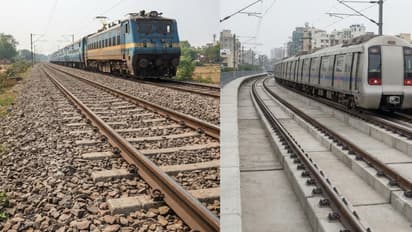
Indian Railways: If you look at railway tracks, you will notice small stones spread beneath and around the rails. However, many metro tracks do not have these stones. Let’s understand the key differences between the two types of track systems.
PREV
15
Why Are Stones Placed Under Railway Tracks?

The stones placed beneath railway tracks are known as track ballast. They play an important role in keeping the tracks stable and secure. Trains are extremely heavy, and their weight puts considerable pressure on the tracks. To support this weight, railway tracks are laid on sleepers, which are concrete or wooden beams placed across the tracks. Sleepers help maintain the correct distance between the rails and distribute the train’s weight. The ballast beneath and around the sleepers provides firm support and helps keep them in position. It also reduces the effects of vibrations caused by moving trains, helping maintain the stability of the track.

25
Not All Stones Are Suitable for Railway Tracks

Railways do not use just any type of stone for track construction. They generally use hard, crushed stones of specific sizes. Unlike smooth, rounded pebbles, these stones have sharp edges and irregular shapes. This allows them to lock together, helping prevent unwanted movement of the track. As trains pass repeatedly, the tracks experience considerable pressure and vibration. Ballast helps the track withstand these forces and remain stable. However, the stones can wear down or shift over time. Railway staff regularly inspect the tracks and rearrange or replace the ballast whenever necessary to maintain safe operating conditions.

35
What Are the Benefits of Track Ballast?

Track ballast offers several important benefits that help keep railway lines safe and stable.

Distributes weight: It helps transfer the train’s weight from the rails to the sleepers and then to the ground.

Reduces vibrations: The stones help absorb and reduce some of the vibrations caused by moving trains.

Improves drainage: The gaps between the stones allow rainwater to drain away, reducing the risk of water collecting around the track and weakening the ground beneath it.

Controls weed growth: Ballast helps limit the growth of weeds around railway tracks.

Makes maintenance easier: Railway workers can adjust the position of the track by working with the ballast and sleepers when required.

However, ballast does not completely block railway noise. The amount of noise produced depends on several factors, including the train's design, the type of track and the sound-control systems used along the railway line.

45
Why Are Stones Missing from Many Metro Tracks?

Many metro systems use a different design known as a ballastless track. Instead of placing crushed stones beneath the rails, engineers fix the rails to a solid concrete slab or another specially designed rigid foundation. This arrangement provides a stable base and helps maintain the precise alignment of the rails. It is particularly useful for metro lines built on elevated viaducts and inside underground tunnels, where space, structural design and maintenance requirements must be carefully considered. Ballastless tracks also reduce the need for regular maintenance associated with loose stones, such as replacing or rearranging the ballast. However, not every metro line uses this system. Some metro routes, particularly certain sections at ground level, may use conventional tracks with ballast. The choice depends on the design and requirements of each route.

55
The Main Difference Between Railway Tracks and Metro Tracks

The main difference between conventional railway tracks and many metro tracks is not simply the presence or absence of stones. Their construction methods, operating requirements and maintenance needs also differ. On conventional railway lines, the rails, sleepers and ballast work together to support the train's weight and keep the track stable. In a ballastless metro system, a concrete foundation and specialised fastening systems hold the rails firmly in place. Engineers choose the track design based on several factors, including train weight, operating speed, vibration, available space and whether the route runs at ground level, on an elevated structure or through a tunnel.

Read more
Read more Photos on

Recommended Stories