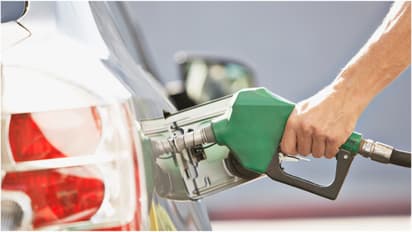
Petrol prices are constantly rising. A large part of a household's monthly income is allocated to petrol expenses, and it has become common for these expenses to get out of control and cause problems. But can't this situation be changed? Definitely possible. It is not only possible, but also an experiential truth that if you change some habits and lead a planned life, you can reduce petrol expenses by half.
28
Start the habit of walking to nearby places
First, avoid using a car or bike for short distances. If you have a habit of walking to nearby shops, schools, bus stops, etc., at least one liter of petrol will be saved per week. In addition to this, you will also get an additional benefit of exercise. If walking today is economical, tomorrow it will become healthy.
38
Work will be paralyzed in a single day!
Next, try to complete weekly tasks in one day. If you plan and complete all your needs in one day instead of taking the vehicle out multiple times, the petrol cost will decrease accordingly. Doing small things as you go is like wasting petrol in one hand and time in the other.
Third, you can use delivery apps wisely. There is no need to go by bicycle for medicines, groceries, food, etc., everything will come to your doorstep at a low delivery fee. This saves both time and energy. You can save up to Rs.150 per month.
58
Avoid using multiple vehicles
Fourth, the habit of people in the same family taking separate cars or bikes should be avoided. If there is a plan to travel in the same vehicle for work going the same way, you can save around Rs.30 - Rs.50 daily. For this, the habit of working in groups is important.
68
Don't go to the petrol pump unnecessarily!
Fifth, the habit of frequently filling petrol for a hundred rupees should be avoided. Filling less affects engine performance. Instead, it is best to fill it completely at once. This will keep the journey smooth and keep track of expenses.
78
Is this trip necessary?
Before you start your vehicle each time, ask yourself, is this trip necessary? That one minute of thought can make a difference in your annual expenses.
88
Savings will increase from now on
To control petrol expenses, you need to streamline not only driving but also your lifestyle. Change is the sum of small, invisible efforts. If you change your habits today, your expenses will change tomorrow.