Veg thali cost flat in Feb 2026, non-veg thali cheaper: CRISIL
Synopsis
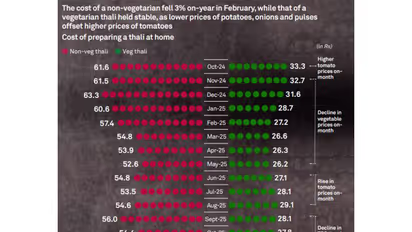
Veg thali costs remained flat YoY in Feb 2026 as a 43% surge in tomato prices negated cheaper onions, potatoes, and pulses. Non-veg thalis became 3% cheaper due to a 7% decline in broiler prices, according to a CRISIL report.
The cost of a home-cooked vegetarian (veg) thali was flat year-on-year in February 2026, while a non-vegetarian (non-veg) thali declined 3 per cent, according to the 'Roti Rice Rate' report of Crisil Intelligence.
Why Veg Thali Cost Remained Stable
Despite a decline in the prices of onion, potato and pulses, the cost of a veg thali remained stable as tomato prices rose sharply, Crisil analysis found. Tomato prices rose 43 per cent year-on-year to Rs 33 per kg in February 2026 (from Rs 23 a kg in February 2025) as mandi arrivals between November 2025 and January 2026 fell 32 per cent year-on-year due to delayed transplantation affecting crop yield and tightening supplies.
Falling Prices of Vegetables and Pulses
Onion prices fell 24 per cent year-on-year due to an influx of late kharif onions, while limited shelf life forced immediate market disposal amid subdued exports. Potato prices fell 13 per cent year-on-year as the crop has entered peak harvest phase coinciding with continued liquidation of cold storage stock from the previous rabi season.
Pulse prices declined 9 per cent year-on-year on account of higher opening stocks in the current fiscal. Tur inventories for the July-June marketing year are estimated to be 20 per cent higher, while Bengal gram stocks for the January-December marketing year are 10 per cent higher this season, exerting downward pressure on prices.
Impact of Cooking Oil and LPG Prices
Vegetable oil prices rose 4 per cent year-on-year due to tighter supply of soybean oil in the global market, leading to higher domestic oil prices. However, a 6 per cent year-on-year increase in the prices of liquefied petroleum gas cylinders limited the decline in the overall cost of thalis.
Non-Veg Thali Becomes Cheaper
The cost of a non-veg thali fell due to an estimated 7 per cent year-on-year decline in broiler prices, which account for 50 per cent of the cost, on a high base. Lower prices of onion, potato and pulses also contributed to the decline while elevated tomato prices limited the fall.
Month-on-Month Price Decline
Month-on-month, however, the cost of veg and nonveg thalis declined 5 per cent and 1 per cent, respectively, in February. Tomato, potato and onion prices dipped 29 per cent, 6 per cent and 4 per cent, respectively, supporting the decline, due to higher arrivals. The cost of a non-veg thali fell at a slower pace because of an estimated 2 per cent month-on-month rise in broiler prices due to higher feed costs, strong seasonal demand and firm supply, Crisil said. (ANI)
Stay updated with all the latest Business NewsShare Market NewsIPOsGold PriceDA Hike8th Pay CommissionAsianet News Official App