TRAI eyes regulatory certainty for satellite, D2D services deployment
Synopsis
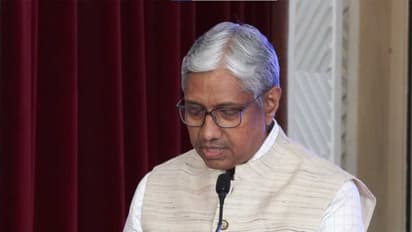
TRAI Chairman Anil Kumar Lahoti said the consultation on satellite communication and D2D services will bring regulatory certainty, facilitating seamless network deployment, promoting competition, and enhancing digital connectivity across the country.
The Telecom Regulatory Authority of India (TRAI) expects its ongoing consultation on satellite communication network authorisation and direct-to-device (D2D) services to provide regulatory certainty and facilitate the seamless deployment of satellite communication networks in the country, Chairman Anil Kumar Lahoti said on Wednesday.
Addressing the India Space Policy Conference 2026 in New Delhi, Lahoti said the consultation process on the framework for satellite communication network (SCN) authorisation and assignment of spectrum has been completed, including an open house discussion held earlier this month.
Consultation Scope and Objectives
"The outcome of this consultation is expected to bring regulatory certainty and facilitate seamless deployment of satellite communication networks, including D2D, while promoting competition, innovation and enhanced digital connectivity," he said.
Lahoti said the consultation has examined issues related to satellite communication network authorisation, spectrum assignment and the enablement of D2D services. He noted that questions around D2D using mobile satellite service (MSS) spectrum and IMT spectrum, including interference management and differences in spectrum availability across licensed service areas, have been deliberated as part of the process.
Proposed Spectrum Framework
Highlighting TRAI's recent work on satellite communications, Lahoti said the regulator had recommended an administrative framework for assigning spectrum for certain satellite-based commercial communication services. The recommendations propose assigning spectrum for non-geostationary fixed satellite services (NGSO-FSS) and geostationary or non-geostationary mobile satellite services (MSS) for an initial period of five years, with a provision for extension of up to two years.
He said the recommended framework also proposes spectrum usage charges as a percentage of service revenue, subject to a minimum annual charge, with the objective of promoting innovation and investment while keeping satellite services affordable and competitive.
Future Outlook and Connectivity Goals
Lahoti said satellite communications are expected to play a key role in providing connectivity to remote, rural and geographically challenging areas while strengthening communication infrastructure during disasters and supporting sectors such as maritime, aviation and the Internet of Things (IoT).
"The opportunities before us are both vast and transformative. India is actively shaping the global digital narrative," Lahoti said, adding that TRAI remains committed to developing a transparent and forward-looking regulatory framework that supports innovation, competition and inclusive digital growth. (ANI)
Stay updated with all the latest Business NewsShare Market NewsIPOsGold PriceDA Hike8th Pay CommissionAsianet News Official App