Indian Households Shift Spending From Necessities to Assets: EAC-PM
Synopsis
An EAC-PM report highlights a significant shift in Indian household spending from basic necessities to asset-building. Motor vehicle ownership is growing fastest, while TV ownership is declining, replaced by near-universal mobile phone access.
Household Spending Shifts Towards Asset-Building
Household spending patterns in India are witnessing a major shift from basic necessities towards asset-building expenditure, highlighted a survey report by the Economic Advisory Council to the Prime Minister (EAC-PM).
According to the findings, households are increasingly prioritising spending on Personal Goods and Cooking & Household Appliances over categories such as Clothing and Footwear, a trend visible even among the bottom 40 per cent of households. It stated "Household spending is shifting from basic necessities like clothing and footwear towards asset-building expenditure on personal goods, and cooking & household appliances".
The report noted that this shift in consumption, driven by rising awareness, improved financial access and better market connectivity, carries significant implications for productivity levels and improvements in overall living standards.
Trends in Durable Asset Ownership
Motor Vehicle Ownership Sees Fastest Growth
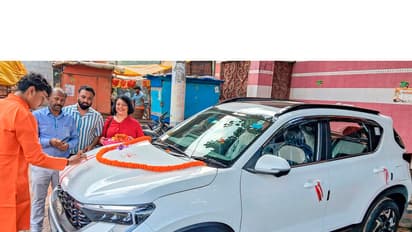
The survey, based on an analysis of the Household Consumption Expenditure Survey 2011-12 and 2023-24, revealed that motor vehicle ownership is the fastest-growing among all durable assets in the country. The expansion shows a notable urban-rural convergence, both for the overall population as well as the bottom 40 per cent of households across many states. The bottom 40 per cent have witnessed substantial catch-up with the broader population, particularly in urban regions. Factors such as improved road infrastructure, enhanced market access and wider vehicular financing options are recognised as key enablers of this growth.
TV Ownership Declines Amidst Mobile Proliferation
On the other hand, television ownership has increased at a slower pace compared to other durable goods, the survey observed. In many urban parts of several states, TV ownership has actually declined for both the overall population and the bottom 40 per cent groups. The report highlighted that near-universal mobile access has reshaped consumption preferences, with mobile phones increasingly replacing or supplementing television screens as the primary medium for information and entertainment.
Convergence in Asset Ownership
Across four major durable assets, motor vehicles, refrigerators, televisions, and mobile handsets the report found clear evidence of convergence, particularly in urban areas, where ownership gaps across consumption groups have narrowed more rapidly. The report mentioned that motor vehicle ownership disparities have diminished steadily in rural areas but at a much faster pace in urban regions. Refrigerator ownership, too, reflects a strong convergence trend, driven largely by urban growth. Mobile phones have achieved near-universal adoption across both the top 20 per cent (T20) and bottom 40 per cent (B40) consumption categories, making them the most equitable durable asset in the country.
Significant Reduction in Asset Poverty and Inequality
Additionally, the analysis of asset categories owned across consumption groups (Bottom 40 per cent, 40-60 per cent, 60-80 per cent, and Top 20 per cent) shows a rising share of households holding multiple asset categories in both rural and urban sectors, highlighting reduction in inter-group consumption gaps.
The report further pointed out that households without any durable asset category now account for only 5 per cent or lower across all groups and geographies, signalling a significant decline in asset poverty. (ANI)
Stay updated with all the latest Business NewsShare Market NewsIPOsGold PriceDA Hike8th Pay CommissionAsianet News Official App