IIFT hosts conclave on India's role in the new global economic order
Synopsis
The IIFT hosted a conclave on India's position in the new economic order. Experts, including Montek Singh Ahluwalia, discussed navigating global uncertainties, trade shocks, and the reforms needed for sustained growth and global integration.
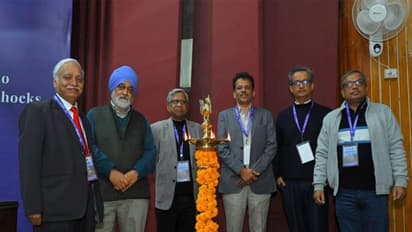
Against the backdrop of shifting geopolitical currents and rapidly evolving global trade dynamics, the Indian Institute of Foreign Trade (IIFT) hosted a conclave at its Delhi campus, centred on the theme "India in the New Economic Order: Adapting to Macroeconomic Uncertainties and Global Trade Shocks." The Conclave, held on Friday, brought together some of India's most respected economists and policymakers for a day of rich, forward-looking discussions on the country's position in an increasingly complex world economy.
Prof. Rakesh Mohan Joshi, Vice Chancellor of IIFT emphasized the significance of this year's theme against the backdrop of global uncertainties, shifting trade alignments, and geopolitical transitions. He highlighted that India is not only navigating these global challenges with determination but is also converting them into strategic opportunities for long-term growth and global integration.
Keynote on India's Macroeconomic Evolution
A keynote address by Montek Singh Ahluwalia, Distinguished Fellow at the Centre for Social and Economic Progress and former Deputy Chairman of the Planning Commission, offered a comprehensive analysis of India's macroeconomic evolution, the country's resilience amid global disruptions, and the structural reforms essential for sustaining long-term growth. His keynote set the intellectual tone for the event, grounding the conversations in decades of policy experience.
Economic Challenges and Conclave Objectives
In his remarks, Prof. Basanta K. Sahu, Convenor of the Conclave and Head of the Economics Division (Delhi), expanded on the objectives of the event and highlighted the multiple sources of uncertainty shaping growth and macroeconomic stability. Prof. Sahu pointed out the source of fluctuations and in output growth mainly labour supply shocks, protectionism with prolonged uncertainty. Similarly, the major key factors for growing instability are fiscal vulnerability, financial markets correction and erosion of institutions.
Eminent Speakers and Thematic Discussions
The Conclave featured an eminent roster of speakers, including Prof. Chetan Ghate, Member, Economic Advisory Council to the Prime Minister; Prof. Ashima Goyal, former Member, Monetary Policy Committee, Reserve Bank of India; Prof. Biswajit Dhar, former Head, Centre for WTO Studies; Prof. S. Mahendra Dev, Chairman, Economic Advisory Council to the Prime Minister; Prof. Pami Dua, Member, Economic Advisory Council to the Prime Minister; Prof. Sudipto Mundle, Chairman, Board of Governors, Centre for Development Studies; Prof. M. Govinda Rao, former Member, Economic Advisory Council to the Prime Minister; Prof. Manoj Pant, former Vice Chancellor, IIFT; Prof. Dibyendu Maiti, Professor, Delhi School of Economics; and Prof. C. Veeramani, Director, Centre for Development Studies.
Across two thematic sessions, speakers examined India's exposure to global trade shocks, the challenges posed by new protectionist measures, and the macroeconomic strategies required to strengthen the country's economic resilience. Discussions highlighted the urgency of policy agility, diversification of trade partnerships, and proactive participation in shaping global economic governance.
About the Indian Institute of Foreign Trade
Established in 1963, the Indian Institute of Foreign Trade is a premier institution under the Ministry of Commerce and Industry, Government of India, advancing excellence in research, training, and education across its campuses in Delhi, Kolkata, Kakinada, and GIFT City. (ANI)
Stay updated with all the latest Business NewsShare Market NewsIPOsGold PriceDA Hike8th Pay CommissionAsianet News Official App