Delhi Red Fort Blast: Does India's Insurance System Protect Against Terrorism?
Synopsis
Standard insurance policies in India often exclude terrorism. To cover damages to homes, cars, or businesses from such attacks, a specific add-on is required. This risk is managed by a national insurance pool.
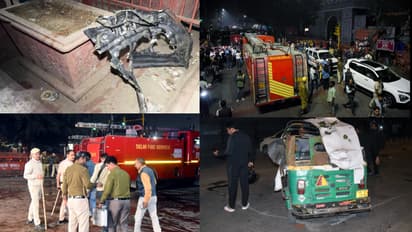
The horrific car blast near Delhi's Red Fort metro station that claimed at least eight lives and left more than twenty injured has left the city shaken and sparked a question many of us rarely think about until tragedy strikes: If such an incident affected us or our loved ones, would our insurance really protect us?
The explosion, now being investigated under India's anti-terror law, has reignited the conversation about how financially prepared we are for unpredictable, devastating events like terrorist attacks.
A Hidden Gap in Most Policies
When we buy insurance, whether for our home, car, or business, we assume we are covered against anything that could go wrong. But here's the catch: most standard insurance policies in India do not automatically cover terrorism-related damage.
To be protected, you often need to opt for an additional terrorism cover rider or purchase a stand-alone terrorism insurance policy. Without this add-on, any claim linked to a terror act might be denied, leaving victims to deal with the financial burden alone.
The Story Behind Terrorism Insurance in India
After the 9/11 attacks, global insurers stopped offering terrorism coverage, leaving a huge gap in protection. To fill it, Indian insurers came together in 2002 to create the Indian Market Terrorism Risk Insurance Pool (IMTRIP), managed by GIC Re.
The idea was simple but powerful, all non-life insurers in India would share the risk together, ensuring that individuals and businesses could still get coverage against acts of terrorism.
According to IRDAI's latest report, the pool earned Rs 1,654 crore in premiums in FY 2023–24 and settled claims worth Rs 3.12 crore. It provides terrorism coverage up to Rs 2,000 crore per location, after which one can buy additional protection through a stand-alone policy.
This means that whether it's a residential building, an office complex, or a manufacturing unit, coverage is available, but only if you have specifically opted for it.
What About Life Insurance?
There's a bit of good news here. Most life insurance policies in India cover deaths caused by terrorist attacks, unless they specifically exclude them in the fine print.
So if a policyholder loses their life in a terror-related event, their nominee is entitled to the full death benefit. However, exclusions apply in cases involving war, riots, or active participation in violent acts which is why reading your policy carefully is critical.
Homes, Cars, and Businesses — Are They Protected?
- Home Insurance: A comprehensive home policy with a terrorism endorsement can protect your home from fire or explosion damage caused by a terror act.
- Motor Insurance: If your car or bike is damaged in such an incident, a comprehensive vehicle policy can help you recover the loss.
- Business Insurance: For businesses, a business interruption clause can help recover income lost if operations are disrupted by a terrorist event.
These layers of coverage can't bring back lives or erase trauma but they can offer financial relief when everything else feels uncertain.
A Cost Worth Paying
The Delhi Red Fort blast is a tragic reminder that life can change in an instant. While we can't predict or prevent every crisis, we can prepare for the aftermath.
For just a small extra premium, adding terrorism cover to your insurance plan could make a life-changing difference helping families, individuals, and business owners rebuild when disaster strikes.
Stay updated with all the latest Business NewsShare Market NewsIPOsGold PriceDA Hike8th Pay CommissionAsianet News Official App