ENG vs IND, Oval Test: Cricket's Quiet Ritual and KL Rahul's Red-Stained Trousers | Opinion
Synopsis
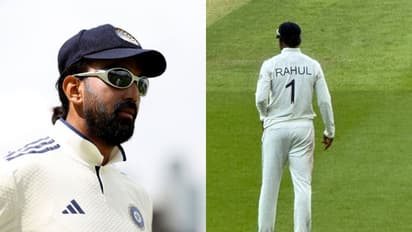
KL Rahul often takes up the vital yet underrated task of shining the ball in Tests. By polishing one side and roughening the other, he helps control swing, aiding bowlers and playing a crucial behind-the-scenes role in India’s success.
In the grand theater of Test cricket, not all roles unfold in the limelight. Some are quiet, repetitive, and thankless, but crucial to the outcome. Among them is the responsibility of shining the ball, a small act that carries significant tactical weight.
For India, this often invisible duty has found a consistent practitioner in KL Rahul. If you’ve ever noticed red stains on Rahul’s trousers, especially around the thigh or hip, that is the quiet evidence of hours spent shining the ball. Most international teams have one player primarily tasked with this role, and for India, it is Rahul.
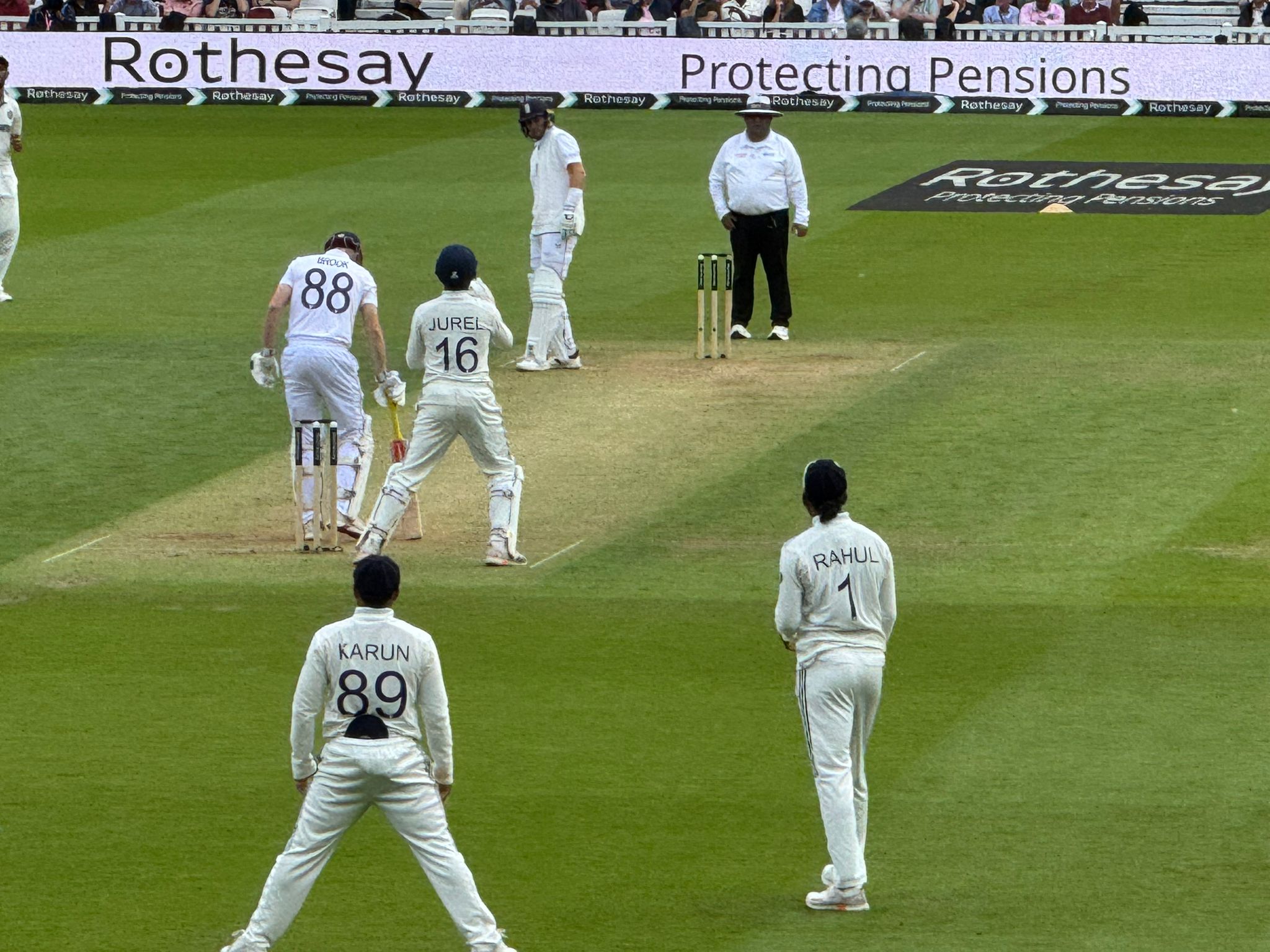
The art of ball shining isn’t about vanity. It is rooted in physics. One side of the cricket ball is polished meticulously, while the other is left to roughen. This contrast in surface texture helps bowlers manipulate swing, the way the ball curves in the air. A well-shined ball can mean the difference between a batsman’s confident drive and a thin edge to the slip cordon.
Unsung hero of shining the ball for India
Players who take up this responsibility must be diligent, disciplined, and consistent. Between overs, between deliveries, in the quiet lulls of the game, someone has to cradle the ball, rub it against the thigh or the stomach, and guard it like a prized possession. It is an act repeated hundreds of times through the course of a day’s play.

KL Rahul’s adoption of this job says something about his character. A senior player, a stylish batsman, and at times a wicketkeeper, he still commits to this unglamorous chore. You can spot him walking back to his fielding position, the ball pressed against his thigh, his shirt slightly damp with sweat, the familiar rubbing motion in place.
In an era of camera scrutiny and DRS replays, even ball maintenance must be done with care and legality. No foreign substances, no shortcuts. Just sweat, shine, and patience.
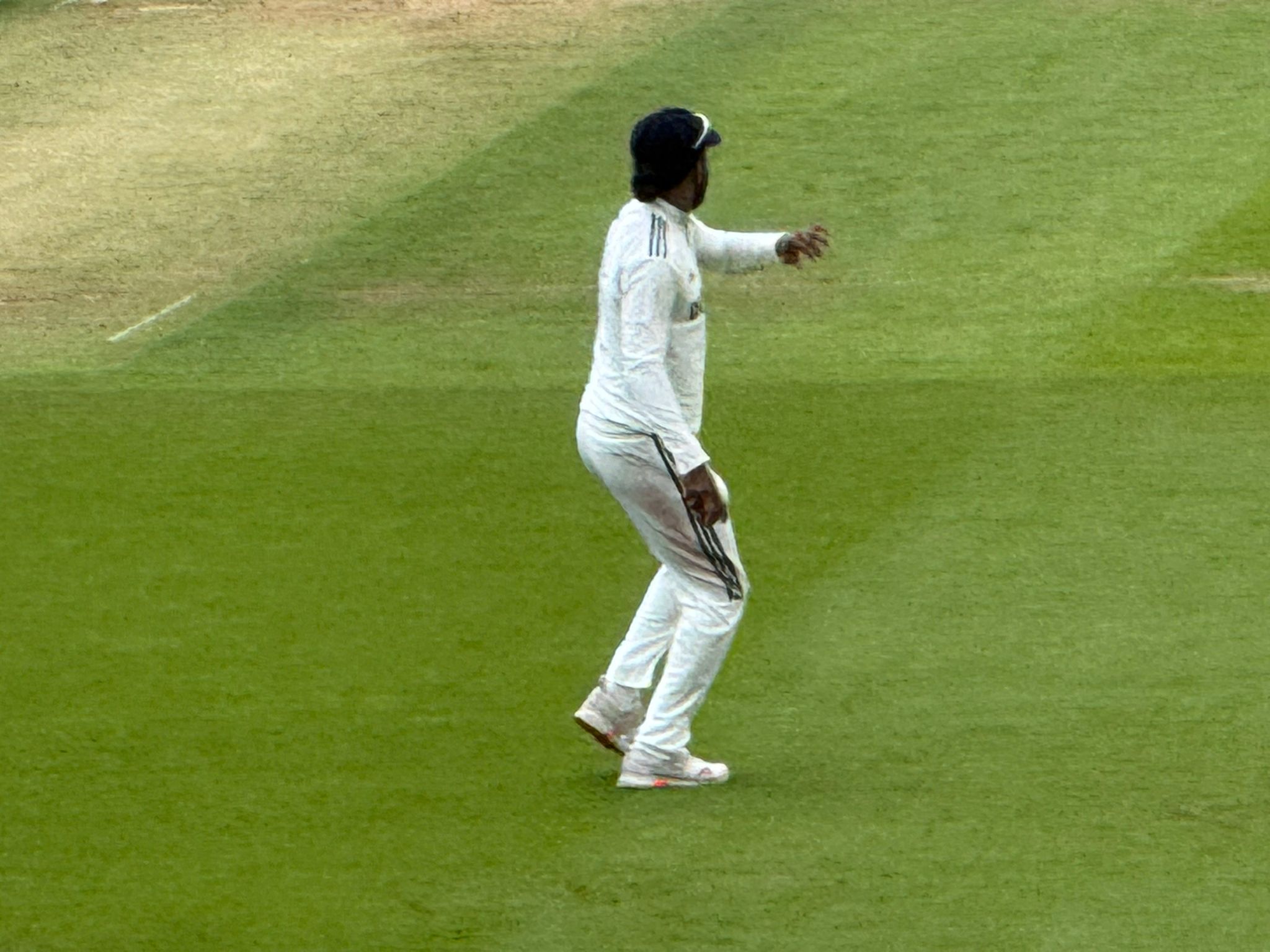
The responsibility often falls to those who stay in the inner ring, and Rahul, often positioned at slip or short cover, fits the bill. It also requires awareness. A fielder must remember which side is shiny and ensure that the shine is not scuffed against the ground during throws.
KL Rahul's huge role in swinging the ball
India’s pace attack has been formidable in recent years, and the effectiveness of reverse swing in later innings owes in part to the unseen hands keeping the ball primed. While Bumrah, Siraj, or Shami claim wickets and headlines, someone like Rahul contributes in more understated but equally vital ways.
Ball shining remains one of cricket’s more poetic details. It speaks to the game’s enduring blend of science and ritual, skill and superstition. And in KL Rahul’s quiet stewardship of the cricket ball, we are reminded that greatness is often built on small, repeated acts of care.