Beyond Rooftop Installations: Building India's Decentralised Solar Energy Ecosystem by 2030
Synopsis
Emerging technologies such as virtual net metering, battery storage, smart inverters and integrated energy management systems are expected to play a crucial role in accelerating the transformation of India's rooftop solar sector.
India's rooftop solar sector is entering a transformative phase, driven by government initiatives, growing consumer awareness and increasing demand for clean, reliable and cost-effective energy solutions. While independent homes have traditionally led adoption, the next phase of growth is expected to come from apartment complexes, housing societies, commercial establishments and industrial facilities. Emerging technologies such as virtual net metering, battery storage, smart inverters and integrated energy management systems are expected to play a crucial role in accelerating this transition.
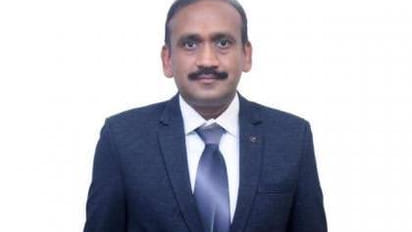
In this interaction, Pawan Kumar Garg, Chairman & Joint Managing Director, Fujiyama Power Systems, shares his insights on the evolving rooftop solar landscape, emerging business models, grid preparedness, domestic manufacturing and the technological advancements shaping India's transition towards a decentralised and sustainable energy ecosystem.
1. India’s rooftop solar growth is largely driven by independent homes. Can virtual net metering and group solar models unlock the untapped apartment and housing society market?
Yes, they are essential to opening up urban India. Until now, independent homes have led adoption because each household has direct access to its own roof. In cities, however, millions of families live in multi-storey apartments where roof space is shared.
Virtual Net Metering (VNM) and Group Net Metering solve this practical barrier by allowing a single shared solar plant on a society terrace to credit the individual electricity bills of participating flat owners. With supportive central incentives for Resident Welfare Associations (RWAs) under PM Surya Ghar and progressive state regulations—such as those implemented in Delhi, Karnataka, Rajasthan, and Telangana housing societies can now turn unused terrace space into shared savings. As awareness grows and DISCOM approval processes become smoother, group solar models will become a major growth driver in Tier 1 and Tier 2 cities.
2. As millions of households begin generating their own electricity, how prepared is India's power grid to manage this shift towards decentralised energy?
India’s power grid is steadily adapting, though local distribution networks will need continuous strengthening. At a national level, India’s rooftop solar capacity has more than doubled over the last two years to around 26 GW, yet it still represents less than 5% of the country’s estimated rooftop potential. This means the grid still has room to absorb distributed generation, especially since solar power is produced during daytime hours when commercial and agricultural demand is high.
However, as adoption clusters in specific neighbourhoods, local distribution transformers and feeders can experience voltage fluctuations and reverse power flow. Preparing the grid for the next phase requires three steps: faster rollout of smart bidirectional meters, transformer upgrades in high-adoption pockets, and pairing rooftop solar with local battery energy storage so excess daytime energy can be used during evening peak hours.
3. Are we moving towards smart homes where rooftop solar, EV charging, battery storage and intelligent energy management systems work together?
Yes, we are clearly moving in that direction. Over the past three decades, Indian households largely viewed power backup as a standalone inverter and battery for power cuts. Today, that mindset is changing toward complete home energy management.
As electric vehicles become more common and time-of-day electricity tariffs evolve, homeowners want a single integrated system where rooftop solar generates clean energy during the day, lithium-ion batteries store surplus power for night-time use, and smart inverters prioritise loads automatically. At Fujiyama, we are actively investing in this ecosystem expanding our power electronics and lithium-ion battery manufacturing capabilities in Ratlam alongside solar cells and panels so households can manage generation, storage, and backup seamlessly.
4. As India's rooftop solar base expands, how can the industry ensure consistent system performance over 20–25 years, particularly in terms of maintenance and after-sales support?
Manufacturing the panel is only the starting point; the real responsibility is keeping millions of rooftop systems running reliably for 20 to 25 years. Because rooftop solar is a long-term asset, consistent performance depends on two things: component quality and on-ground service reach.
First, using domestically manufactured solar cells and high-grade inverters built for Indian heat and dust conditions prevents early degradation. Second, the industry must invest in a deep, accessible service network rather than relying purely on third-party installers. For instance, we have expanded our network to over 10,200 channel partners and more than 1,000 on-roll service engineers across the country, especially in Tier 2 and Tier 3 towns. Combining remote monitoring with trained local technicians ensures that any fault is resolved quickly before a household loses generation.
5. What is stopping commercial buildings, shopping centres, hotels and industrial facilities from making greater use of their rooftop spaces for solar power generation?
Commercial and industrial (C&I) establishments actually have the strongest financial case for solar because they pay higher grid tariffs, yet several practical hurdles slow them down:
- Regulatory and Net-Metering Caps: Many states place limits on net-metering capacity or impose banking and wheeling charges that reduce the financial attractiveness for large roofs.
- Structural and Space Constraints: Older commercial roofs often require structural reinforcement, while hotels and malls frequently have HVAC units, water tanks, and shading obstacles that limit usable area.
- Tenancy Splits: In leased commercial buildings and shopping centres, the building owner owns the roof while tenants pay the electricity bills, creating a split-incentive challenge.
Simplifying open-access and behind-the-meter regulations, along with clearer green building mandates, can help unlock this segment much faster.
6. Could leasing, subscription-based solar and RESCO models become the next big growth drivers for rooftop solar adoption in India?
They will certainly play an important role, particularly for commercial buildings, institutions, and large housing societies. Under the RESCO or subscription model, a developer funds, installs, and maintains the plant, and the customer simply pays for the solar electricity generated at a rate lower than the grid tariff. This removes the upfront capital barrier and transfers maintenance responsibility to the operator.
For individual residential homes, direct ownership (CAPEX) supported by government subsidies and easy bank financing will likely remain the preferred choice because the payback period is short often 3 to 4 years—and lifetime savings are higher. However, for societies, schools, hospitals, and MSMEs that want immediate savings without capital outlay, RESCO and subscription models will be major enablers.
7. Beyond installation targets, what technological and infrastructural changes will determine India's journey towards a decentralised solar-powered economy by 2030?
Achieving a truly decentralised solar economy by 2030 will depend on moving from simple installations to an integrated, self-reliant ecosystem:
- Domestic Supply Chain Depth: Strengthening domestic manufacturing across the entire value chain especially solar cells, wafers, power electronics, and batteries so India is insulated from global supply disruptions and meets Domestic Content Requirement (DCR) standards.
- Affordable Energy Storage: Bringing down the cost of lithium-ion battery storage so solar power becomes dispatchable around the clock, reducing strain on DISCOMs during evening peaks.
- Digital Grid Infrastructure: Deploying smart meters, automated feeder management, and Vehicle-to-Grid (V2G) readiness so millions of small solar plants and batteries can interact smoothly with the main grid.
- Skilled Workforce at the Last Mile: Building a trained nationwide workforce of installers and service engineers who can maintain quality standards across every district.
India's rooftop solar sector is poised for significant growth as technological advancements, supportive policies and increasing awareness continue to drive adoption across residential, commercial and industrial segments. Strengthening domestic manufacturing, improving grid infrastructure, expanding energy storage solutions and ensuring reliable after-sales support will be key to sustaining this momentum. As the industry evolves, integrated energy solutions and innovative business models will play an important role in making solar power more accessible, efficient and economically viable, contributing to India's broader clean energy ambitions.