Sharks and Ghost Sharks Face New Risks from Deep-Sea Mining
Synopsis
New research shows deep-sea mining could threaten 30 species of sharks, rays, and ghost sharks. Disruptions to seafloor habitats and sediment plumes could elevate extinction risks for these vulnerable marine species.
New research published in Current Biology warns that deep-sea mining could put dozens of shark, ray, and ghost shark species at risk. Conducted by oceanographers at the University of Hawai'i at Mānoa, the study highlights how proposed mining zones could disrupt seafloor habitats and create sediment plumes, further endangering species already facing extinction.
Mining Overlaps with Critical Habitats
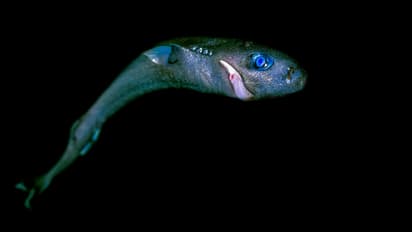
The study examined 30 species of cartilaginous fishes, including iconic animals like whale sharks, manta rays, and the megamouth shark, as well as lesser-known species like pygmy sharks, chocolate skates, and point-nosed chimaeras (ghost sharks). By overlaying species distribution maps with proposed mining areas in the Clarion-Clipperton Zone, researchers found that nearly all 30 species could be affected by sediment plumes, and 25 species could face direct seafloor disruption.
“Deep-sea mining is a new potential threat to these animals, which are vital to ocean ecosystems and human culture,” said Aaron Judah, lead author and graduate student in oceanography at UH Mānoa. “By understanding these risks, we can better protect sharks, rays, and chimaeras in the future.”
Why Sharks Are Vulnerable
Sharks and their relatives are already the second most threatened vertebrate group globally, primarily due to overfishing. Many species are highly mobile, spanning wide ranges and diving deep, meaning mining could impact more than half the depth range of some species. Species like skates and ghost sharks, which lay eggs on the seafloor, are particularly vulnerable to disturbances caused by mining vehicles.
Conservation Recommendations
The researchers suggest a range of measures to mitigate risks:
- Establish monitoring programs to track species health.
- Include sharks, rays, and chimaeras in environmental impact assessments.
- Create protected areas in high-risk zones.
“These steps could guide the International Seabed Authority and mining contractors in minimizing ecological impacts,” said Jeff Drazen, senior author and professor of Oceanography at SOEST.
The team continues to study additional species whose ranges may overlap mining zones, aiming to provide a more complete picture of deep-sea biodiversity at risk.