Russia-Ukraine Peace Talks: NATO Threatens Secondary Sanctions on India, China, and Brazil; Urges Them to 'Call Putin'
Synopsis
NATO Secretary General Mark Rutte warned India, China, and Brazil of potential secondary sanctions if they continue trade with Russia. Rutte urged these nations to pressure Putin for peace talks.
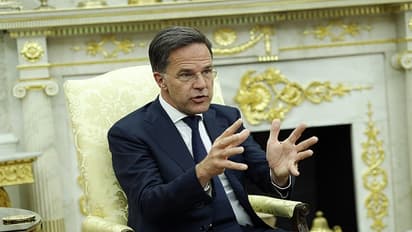
In a striking diplomatic message, NATO Secretary General Mark Rutte warned India, China, and Brazil that their continued business dealings with Russia could lead to serious consequences, including secondary sanctions, if they don't use their influence to push Moscow toward a peace deal with Ukraine.
Speaking to reporters after meetings with US lawmakers in Washington on Wednesday, Rutte didn't mince words.
"If you live now in Beijing, or in Delhi, or you are the president of Brazil, you might want to take a look into this because this might hit you very hard," Rutte said, urging global powers to intervene and dial up the pressure on Russian President Vladimir Putin.
"Please make the phone call to Vladimir Putin and tell him that he has to get serious about peace talks, because otherwise, this will slam back on Brazil, on India, and on China in a massive way," he added.
Pressure mounting amid new US sanctions plan
The NATO chief's blunt remarks come on the heels of a new announcement by former US President Donald Trump, who has pledged a ramp-up in American arms support to Ukraine. Trump also warned of “biting” 100% tariffs on countries that continue buying Russian exports—unless a peace agreement is reached within 50 days.
While the spotlight has largely been on Ukraine and Russia, Rutte's warning signals a clear shift: countries maintaining neutral trade relations with Russia may soon find themselves caught in the geopolitical crossfire.
India, China, Brazil caught in the middle
India, China, and Brazil have so far refused to align with the West's sanctions-led approach, instead calling for diplomacy and dialogue to end the war. All three countries have continued trade ties with Russia—particularly in energy and defense sectors—which Western nations now see as undermining efforts to isolate Moscow.
Rutte's remarks, however, suggest that such a middle path may no longer be viable in the eyes of NATO and its allies.
Europe to pay, US to arm
Adding another twist to the evolving situation, Rutte revealed that under a new understanding with Trump, Europe would finance a fresh wave of US weapons to Ukraine—everything from missiles to air defense systems.
"It is both defensive and offensive," Rutte said. "We have not discussed details yet with the president. This is now being worked through by the Pentagon, the Supreme Allied Commander in Europe, and the Ukrainians."
What this means for India
For India, the warning couldn't come at a more delicate time. The country has maintained strong defense and energy partnerships with Russia, while also deepening its strategic ties with the US and Europe. Rutte's comments place India in a diplomatic tight spot—balancing national interest with mounting international pressure.
Stay updated with all the latest Business NewsShare Market NewsIPOsGold PriceDA Hike8th Pay CommissionAsianet News Official App