Mumbai’s Makeover: 44,000 New Homes to Rise From Old Societies By 2030
Synopsis
Mumbai's skyline is poised for a major transformation by 2030, with 44,277 new apartments worth Rs 1.3 lakh crore expected through redevelopment of existing housing societies.
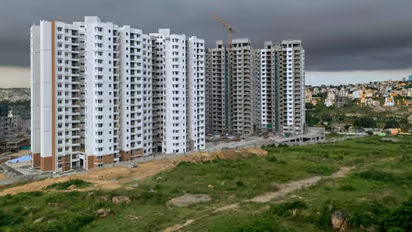
Mumbai’s skyline is set for a massive makeover. A new report by Knight Frank India says that by 2030, as many as 44,277 brand-new apartments worth Rs 1.3 lakh crore could come up in the city — not on empty land, but by tearing down and rebuilding old housing societies.
The redevelopment wave won’t just give Mumbai a fresh coat of paint. It’s also expected to add thousands of crores to government coffers — about Rs 7,830 crore in stamp duty and another Rs 6,525 crore in GST from the free-sale component of these projects.
Why Redevelopment Takes Years
If you’ve ever lived in an old Mumbai building waiting for it to go into redevelopment, you’ll know it’s not a quick fix. These projects typically take 8–11 years from the first society meeting to the day residents hold the keys to their new flats. That means they’re exposed to changing markets, rising interest rates, and shifting government rules along the way.
Where The Action Is
The Western Suburbs are the beating heart of Mumbai’s redevelopment story. Borivali, Andheri, and Bandra together account for over 139 acres of activity. By 2030, this belt alone is expected to deliver more than 32,000 new homes — almost three-fourths of the city’s total redevelopment supply.
South Mumbai, on the other hand, is barely in the game, with just 416 homes expected, thanks to fragmented ownership and legacy tenancies that make projects harder to execute.
Small Societies, Big Impact
Interestingly, the engine driving this transformation isn’t big builders or mega plots — it’s the small housing societies. Over 80% of projects since 2020 have come from societies with plots smaller than half an acre. In total, more than 750 such societies have signed redevelopment deals in just the past five years.
A Word of Caution
While the numbers are impressive, Knight Frank’s Chairman Shishir Baijal warns that the market is looking overheated.
“Rising prices have fuelled commitments that stretch well beyond sustainable limits, while society members’ expectations have grown disproportionately. At this juncture, it is imperative for both societies and developers to leave adequate headroom in their arrangements and to structure finances prudently,” he said.
According to the BMC, around 1.6 lakh housing societies in Mumbai are more than 30 years old and eligible for redevelopment. That means the 44,000 new homes by 2030 could just be the beginning of a much larger, city-wide transformation.
Stay updated with all the latest Business NewsShare Market NewsIPOsGold PriceDA Hike8th Pay CommissionAsianet News Official App