Israel-Iran Conflict: What Khamenei’s Death Means for India’s Oil, LPG & Trade
Synopsis
Middle East instability poses significant risks for India, which relies heavily on the region for energy. With over 80% of its crude oil imported, potential disruptions, especially at the Strait of Hormuz, could cause price surges, inflation.
The Middle East has entered a phase of heightened instability following the killing of Iran’s Supreme Leader Ayatollah Ali Khamenei in US-Israel strikes. The escalation has triggered military retaliation, disrupted shipping routes, and rattled global markets. For India, which has deep trade and energy ties with the region, the impact could be immediate and far-reaching.
From crude oil imports to exports and logistics, multiple sectors face uncertainty as geopolitical tensions intensify.
Crude Oil Shock: India’s Biggest Vulnerability
India imports over 80% of its crude oil needs, with a significant portion coming from the Middle East. Any disruption in supply routes or production can sharply increase the country’s import bill.
The conflict has already pushed global oil prices higher, with Brent crude rising sharply amid fears of supply disruption and shipping risks.
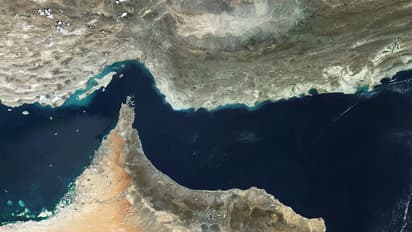
A key concern is the Strait of Hormuz, a narrow but crucial passage through which nearly 20% of global oil trade flows. If Iran restricts or disrupts this route, oil prices could surge further, potentially touching $100 per barrel.
For India, this could mean higher fuel prices, inflationary pressure, and a widening current account deficit.
Also Read: Middle East crisis: Brent crude surges 10% on Iran-US confrontation
LPG Supply Concerns: Cooking Gas Under Pressure
India’s dependence on the Gulf is not limited to crude oil. A large share of LPG imports also passes through the Strait of Hormuz.
With tanker movement slowing and vessels hesitant to pass through the conflict zone, supply chains are already under strain.
Indian refiners have begun increasing domestic LPG production to cushion potential shortages. However, prolonged disruption could lead to price hikes and supply constraints for households.
Trade & Exports: Rising Costs, Slower Movement
The crisis is also impacting India’s broader trade ecosystem. Increased freight charges, higher insurance premiums, and delays in cargo movement are emerging as major concerns.
Exporters dealing with West Asia may face logistical bottlenecks, while uncertainty in shipping routes could slow down deliveries.
Sectors such as engineering goods, textiles, and agricultural exports could see disruptions, especially if the conflict intensifies or spreads further.
Shipping Crisis: Strait of Hormuz in Focus
The Strait of Hormuz remains the most critical chokepoint in the crisis. Nearly 35–50% of India’s crude imports and a major share of LNG shipments pass through this route.
Any closure or partial disruption can have cascading global effects, including:
• Supply shortages
• Surge in freight costs
• Delays in cargo delivery
Even limited disruptions—like tanker rerouting or insurance withdrawal—can significantly affect global energy markets and trade flows.
Rupee, Markets & Inflation: Economic Ripple Effects
The crisis is not just about energy—it is also impacting financial markets.
Rising oil prices and geopolitical uncertainty are weakening investor confidence, with the Indian rupee expected to come under pressure.
Higher crude prices could fuel inflation, increase government spending on subsidies, and complicate monetary policy decisions.
Globally, investors are shifting toward safe-haven assets like gold, signalling broader economic uncertainty.
Strategic Cushion: India’s Preparedness
India is not entirely unprepared. The country has:
• Strategic petroleum reserves for emergencies
• Diversified crude sourcing over recent years
• Increasing domestic production in select areas
However, these measures offer only temporary relief if the conflict becomes prolonged or escalates further.
The Bigger Picture: A Prolonged Crisis Ahead?
The Middle East crisis is evolving rapidly, with risks of a wider regional war involving multiple actors. Disruptions to energy flows, trade routes, and financial markets are already visible.
For India, the stakes are high. From rising fuel costs to export challenges, the economic impact could be significant if tensions persist.
Much will depend on whether diplomatic efforts can de-escalate the situation—or if the region moves toward a prolonged conflict that reshapes global energy and trade dynamics.
Stay updated with all the latest Business NewsShare Market NewsIPOsGold PriceDA Hike8th Pay CommissionAsianet News Official App