Indian Workplaces Face High Regulatory Compliance Risks Amid Audit Report
Synopsis
A TeamLease RegTech audit of 52 Indian business sites reveals 4,694 compliance gaps, warning of severe legal, financial, and personal liability risks for directors due to high regulatory complexity across various state and union laws.
Regulatory Compliance Risks in Indian Workplaces
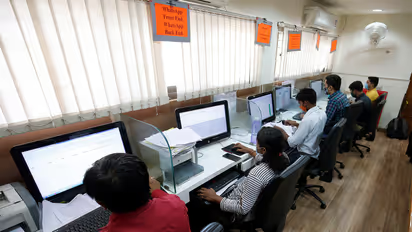
Indian workplaces continue to face significant regulatory compliance risks, with an audit of 52 sites operated by leading enterprises across 17 states and union territories identifying 4,694 instances of non-compliance, according to a report by TeamLease RegTech. The report covered factories, warehouses, corporate offices and mines. Every site included in the audit had compliance gaps, averaging around 90 per workplace.
Legal Exposure and Director Liability
The findings point to potential legal and financial exposure for businesses, including risks that could extend to company directors and senior officers. The report highlighted that around 70 per cent of the identified gaps were punishable offences, while 46 per cent carried the possibility of imprisonment. In addition, 29 per cent named directors or senior officers personally, while 31 per cent attracted fines that increase with each passing day.
Insights from Leadership
"Every leadership team we meet believes they are compliant. Yet every site we have audited reveals significant compliance gaps," said Rishi Agrawal, Co-founder and CEO, TeamLease RegTech. "The question for every board is whether it finds these gaps first or an inspector, a customer, or an investor does."
Complexity of Regulatory Frameworks
The report identified regulatory complexity as a key reason behind the gaps. It stated that Indian enterprises have to deal with three levels of government, seven categories of law, 21 types of regulatory instruments, and 41 types of compliance. Obligations can also change frequently across 3,756 union, state and local government websites, while states and local bodies prescribe their own thresholds, forms, wage structures and penalties.
Key Problem Areas
The report also mentioned that the Labour and environment laws accounted for 92 per cent of the identified gaps, with just 10 laws contributing nearly 60 per cent of the total. The findings suggest that compliance risks are concentrated in specific regulatory areas rather than being evenly spread across all laws. TeamLease RegTech said all the companies covered by the study had commissioned compliance audits. As a result, the findings represent a minimum level of exposure identified in the study rather than an estimate of compliance gaps across all Indian workplaces.
Recommendations for Enterprises
The report recommends that enterprises map every applicable law to each site and address gaps according to the severity of their legal consequences. It also calls for regular on-ground compliance audits that include contractors and warehouses.
Stay updated with all the latest Business NewsShare Market NewsIPOsGold PriceDA Hike8th Pay CommissionAsianet News Official App